What to feed birds in winter: the right food for each kind of bird
Black-oil sunflower seed is the one food to offer if you offer only one. Chickadees, titmice, nuthatches, cardinals and finches all eat it, and its thin shell is easy for small bills to crack. Add suet for woodpeckers, Nyjer for goldfinches, plain unsalted peanuts for jays and titmice, a little fruit for robins and bluebirds, and open water for everybody. Leave the bread in the kitchen.
The first winter after I retired from teaching, I kept a feeding notebook: what I put out each morning, who came, and what was still there at dark. Three winters of scribbles taught me more than any chart could. Birds are practical eaters. They go where the fat is, they waste what they don't want, and they let you know quickly when you've got it wrong.
Why does winter food matter so much to small birds?
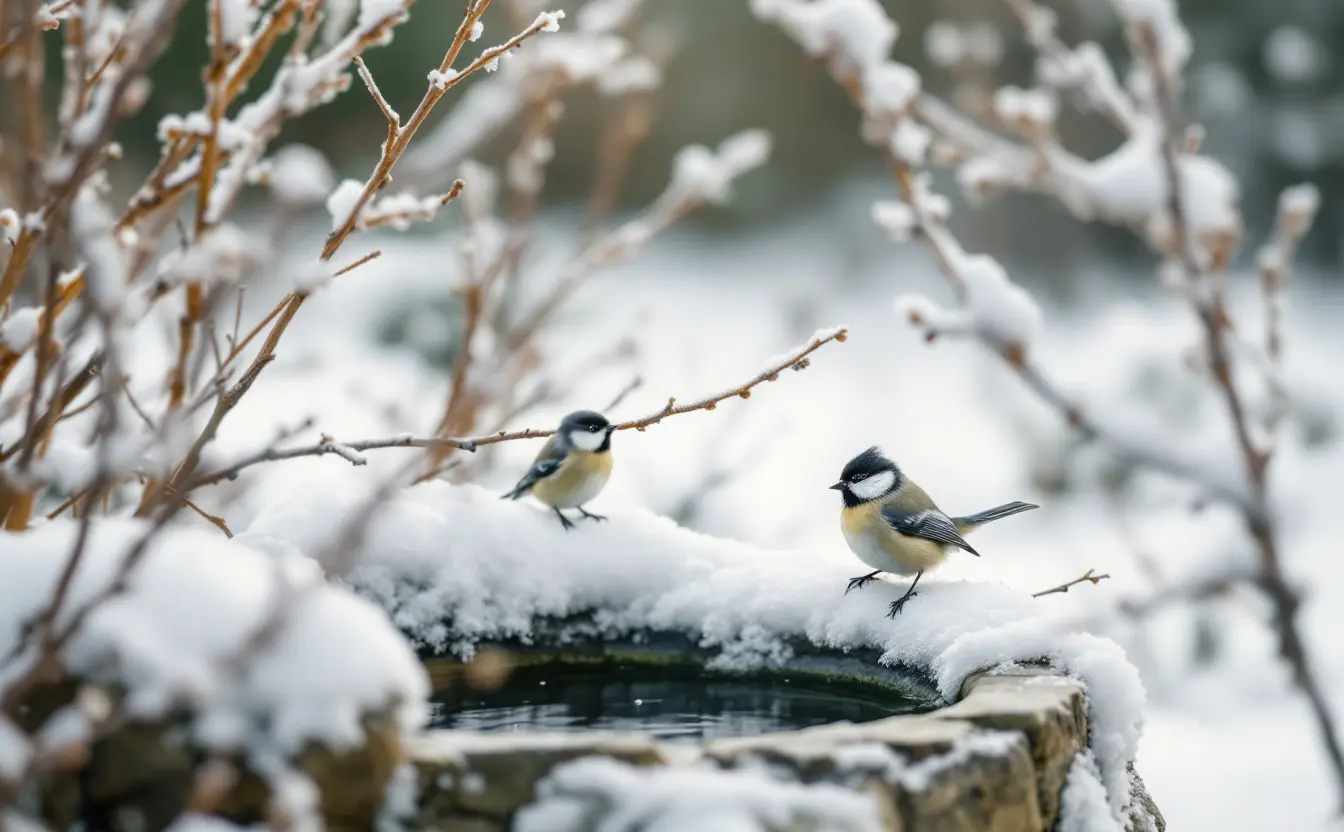
A chickadee weighs less than an ounce, and in December it has to get through a night far longer than the day on what it ate before sunset. Small birds pack on a little fat during the day and burn most of it overnight, shivering to stay warm. Chickadees can also let their body temperature drop several degrees on cold nights to save fuel, which is a neat trick but not a free one.
Feeders don't replace wild food. Most birds still find much of what they eat in seed heads, berries and the insect eggs tucked into bark. Feeders help most when ice glazes everything or deep snow covers the ground, and those are the days to be sure yours are full.
What foods suit which birds?
Different bills are built for different jobs, and that is the simplest way to sort winter feeding. Here is how the common feeder birds line up.
| Bird group | Examples | Winter foods they favor | How to offer it |
|---|---|---|---|
| Small seed eaters | Chickadees, titmice, nuthatches | Black-oil sunflower, peanut pieces, suet | Tube or hopper feeder, suet cage |
| Finches | American goldfinch, house finch, pine siskin, purple finch | Nyjer, sunflower chips, black-oil sunflower | Mesh feeder or small-port tube |
| Cardinals and grosbeaks | Northern cardinal, evening grosbeak | Black-oil and striped sunflower, safflower | Hopper, tray, or a tube with a broad perch |
| Woodpeckers | Downy, hairy, red-bellied, northern flicker | Suet, peanuts, sunflower | Suet cage, peanut feeder |
| Jays | Blue jay in the East, Steller's jay in the West | Peanuts in the shell, sunflower | Tray or platform |
| Ground feeders | Dark-eyed junco, white-throated sparrow, mourning dove | White proso millet, sunflower chips, a little cracked corn | Scattered on the ground or a low tray |
| Fruit eaters | American robin, eastern bluebird, northern mockingbird, cedar waxwing | Berries, chopped apple, soaked raisins, mealworms for bluebirds | Shallow dish or tray near cover |
| Wrens | Carolina wren | Suet, peanut bits, mealworms | Low suet feeder near brush |
- Single-cake suet cageA plain wire cage for one suet cake, the simplest way to feed woodpeckers and nuthatches.
- Metal mesh finch feederA mesh tube for Nyjer seed that goldfinches and siskins cling to.
- API heated birdbath bowl (20 in)A thermostatically heated bowl that keeps open water for birds through hard frosts.
This small list was picked using the sizes and materials the makers have published, along with the complaints and praise that keep coming up among people who have used these through a few winters; none of it has seen the inside of a testing lab. A suet cage and a mesh finch feeder cover two of the foods above, and a heated bowl covers the one people forget, which is water. Our guide to winter feeders and heated birdbaths goes further into choosing and placing them.
Black-oil sunflower: the everyday seed
These small, glossy black seeds are rich in oil, and that oil is exactly what a cold bird needs. Striped sunflower seed has a thicker hull that cardinals and jays handle easily but smaller birds struggle with. Hulled sunflower, sold as chips or hearts, leaves no mess of shells under the feeder and suits finches well, though it spoils faster when it gets wet.
Store seed in a metal can with a tight lid somewhere cool and dry. Mice find a paper bag in a garage within a week, and damp seed molds. Buy what you'll use in a few weeks rather than a season's worth at once.
Suet: fat for the coldest days
Suet is the hard fat from around beef kidneys, and suet cakes are that fat rendered and pressed, often with seeds or peanuts mixed in. It is about the most concentrated energy you can offer, and woodpeckers, nuthatches, chickadees and wrens go for it in a cold snap. Raw suet from a butcher works in freezing weather but turns soft and rancid once the days warm, so rendered cakes are the easier choice.
Hang suet in a wire cage on a tree trunk or a pole near cover. Woodpeckers like to feed the way they forage, clinging upright against something solid, so a cage fixed to a trunk often draws more of them than one swinging from a hook.
Nyjer and the finches
Nyjer is often sold as thistle, but it is the seed of an African plant unrelated to the thistles in your pasture. Imported seed is heat-treated so it seldom sprouts under the feeder. Goldfinches, pine siskins and redpolls love it, and they cling to a mesh feeder from every angle.
The trouble with Nyjer is freshness. Old seed dries out and the finches ignore it, and wet seed clumps and molds. Buy small amounts, fill the feeder only part way, and if goldfinches suddenly stop coming, check the seed before you blame the weather.
Peanuts, fruit and mealworms
Offer peanuts plain and unsalted, never honey-roasted or seasoned. Whole peanuts in the shell on a tray are a blue jay's favorite game: it will carry them off one by one and hide them all over the yard. Shelled peanuts in a mesh feeder suit woodpeckers, titmice, nuthatches and chickadees. Keep peanuts dry, and throw out any that look dark or smell musty, because moldy peanuts can carry a toxin called aflatoxin.
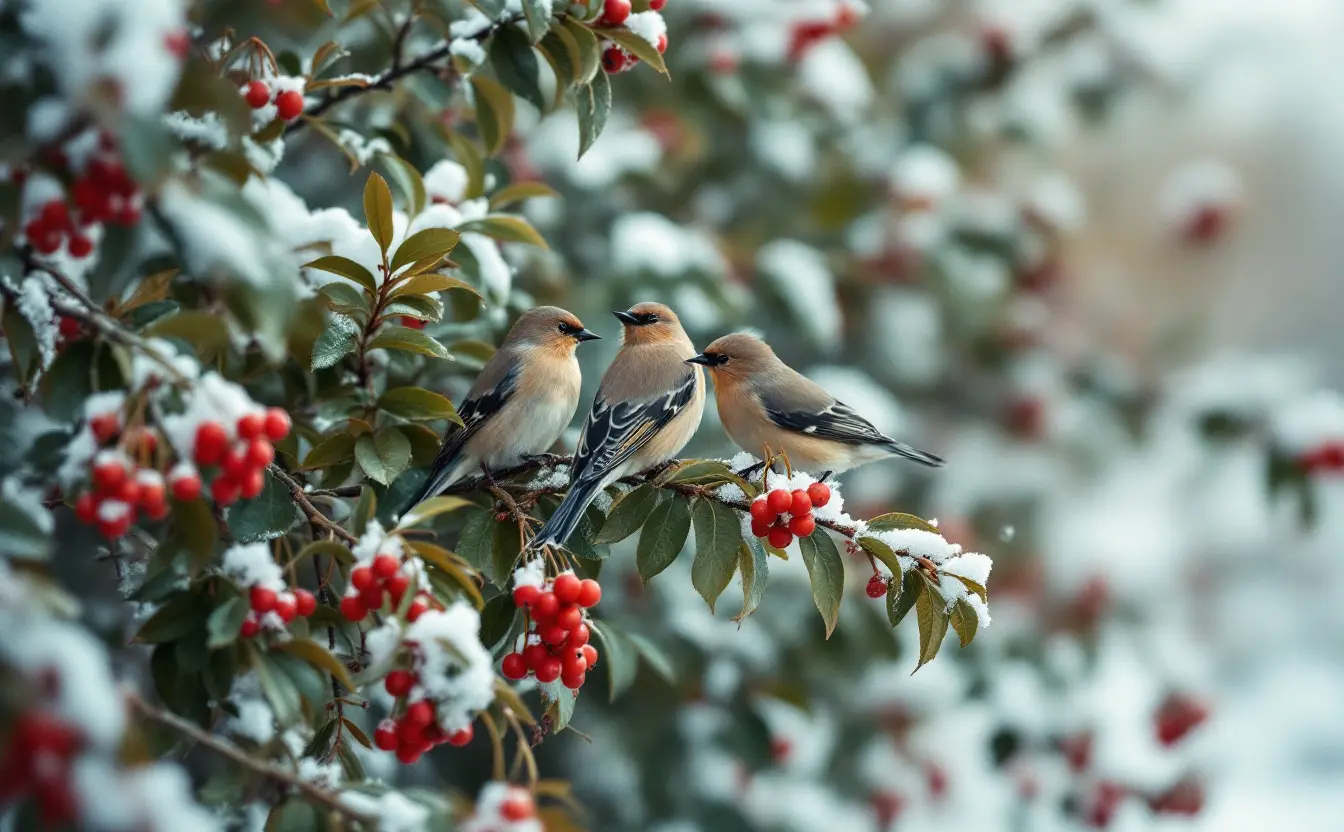
Robins don't all go south. Many stay for the winter in roaming flocks that live on fruit, along with bluebirds, mockingbirds and cedar waxwings. Chopped apple or pear and raisins soaked in warm water, set out in a shallow dish, can bring them in, especially after a snow. Dried mealworms, softened in water, are a treat for bluebirds and wrens.
Water
In a long freeze, a dish of open water can draw more birds than any feeder. Keep it shallow, set it near cover, scrub it every two weeks or so, and refill it daily. A heated bath keeps it liquid. Never add antifreeze, salt or anything else to stop it freezing.
How much should you put out, and when?
Start small. Fill feeders to roughly what disappears in a day or two, then adjust, because seed that sits for a week gets wet, moldy and fouled. Birds feed hardest at first light after a long night, so the evening before or early morning is the time to fill. Before a storm or a bitter night, top up the suet. Consistency matters most in the hardest weather; if you'll be away, a feeder that runs empty during a mild week does far less harm than one that runs empty in a deep freeze.
Clean feeders every two weeks or so with hot soapy water and a rinse of 1 part bleach to 9 parts water, then let them dry. Where bears are active, take feeders down.
What should you never feed birds?
Some kitchen habits are hard to break. Here is the short list to skip.
- Bread, crackers and cereal. They fill a bird up without giving it much.
- Anything salted or seasoned. Chips, salted nuts and leftovers with spices or sauce.
- Cooked grease and bacon fat. They stay soft, can smear onto feathers, and are often salty.
- Moldy, wet or musty seed and nuts. If you wouldn't want to smell it up close, throw it out.
- Cheap mixes padded with filler. Red milo, wheat and oats get kicked to the ground by most feeder birds and rot there.
- Additives in water. No antifreeze, no salt, nothing.
Native plants and brush piles: winter food that grows
The best feeder in any yard is a well-chosen plant. Leave the seed heads of coneflowers, black-eyed Susans, asters, goldenrods and native grasses standing through the winter instead of cutting them back in fall. Goldfinches pick them over, and juncos and sparrows clean up what drops into the snow.
Fruiting shrubs carry birds through the lean weeks. Winterberry holly, American holly, hawthorns, sumacs, viburnums and eastern red cedar hold fruit well into winter in much of the East, and in California toyon does the same job for robins and waxwings. Plant natives rather than invasive shrubs such as bush honeysuckle and autumn olive, since birds eat those berries too and spread the seeds into the woods. The USDA's PLANTS Database shows which species are native where you live, and our green tips page has more on giving unused lawn back to shrubs.
Evergreens matter for shelter as much as food. A thick spruce, pine or cedar breaks the wind on a cold night, and roosting birds pack into it after dark.
A brush pile is the easiest wildlife habitat you will ever build:
- Pick a spot a short flight from your feeders, so birds can dart into it when a hawk passes.
- Lay down the heaviest logs or limbs first, crossed so they leave tunnels at ground level.
- Stack progressively smaller branches on top in loose layers.
- Finish with evergreen boughs, or add the old holiday tree once the season is over.
- Add to it each year as it settles.
Sparrows, wrens and juncos will use it within days. Leave some fallen leaves under shrubs too, since ground birds scratch through them for insects and seeds all winter. For what's moving through the woods and fields month by month, keep our field almanac close.
Questions
Will birds starve if I stop feeding them?
Not in ordinary weather. Most birds eat plenty of wild food, and they move on when a feeder runs dry. If you need to stop, a mild stretch is a better time than the middle of a freeze.
Can I put out kitchen scraps?
A few are fine: plain chopped fruit, unsalted nuts and a bit of unseasoned beef fat in cold weather. Skip bread, cooked grease and anything salted or spiced. When in doubt, buy a bag of black-oil sunflower instead.
Why aren't birds coming to my new feeder?
Give it time, since birds can take a while to find a new feeder, especially in fall when wild seed is everywhere. Put it near cover, scatter a little seed on the ground below it, and make sure a cat or a hawk isn't making the spot feel dangerous.
Is cracked corn a good winter food?
In small amounts on the ground, yes, for doves, juncos and sparrows. Put out too much and it draws crowds of blackbirds, starlings and squirrels, and wet corn spoils fast. Offer a handful at a time and let it run out.