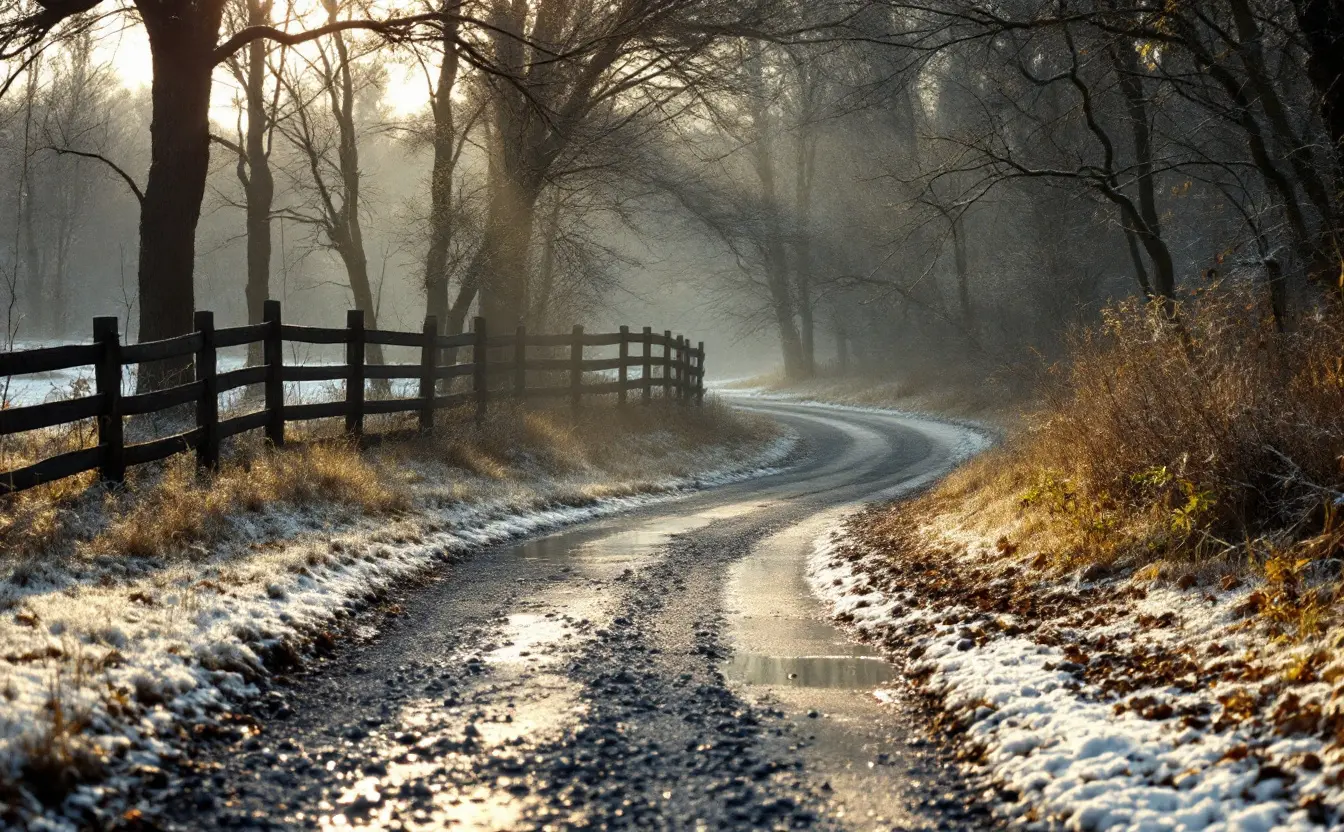
The best ice cleats for shoes and boots: coils for sidewalks and driveways, spikes for icy trails and docks, plus how to size them and when to take them off.
A wood stove makes carbon monoxide whenever wood burns short of air. Here's how it gets indoors, what poisoning feels like, where alarms go and what to do.
A wood stove can warm a house without fouling its air. Answers on dry firewood, visible smoke, stove choice, CO alarms, air monitors and smoky neighborhoods.
How much snow a roof can hold depends on the snow's weight, not its depth. Work out the load per square foot, learn the warning signs, find your design load.
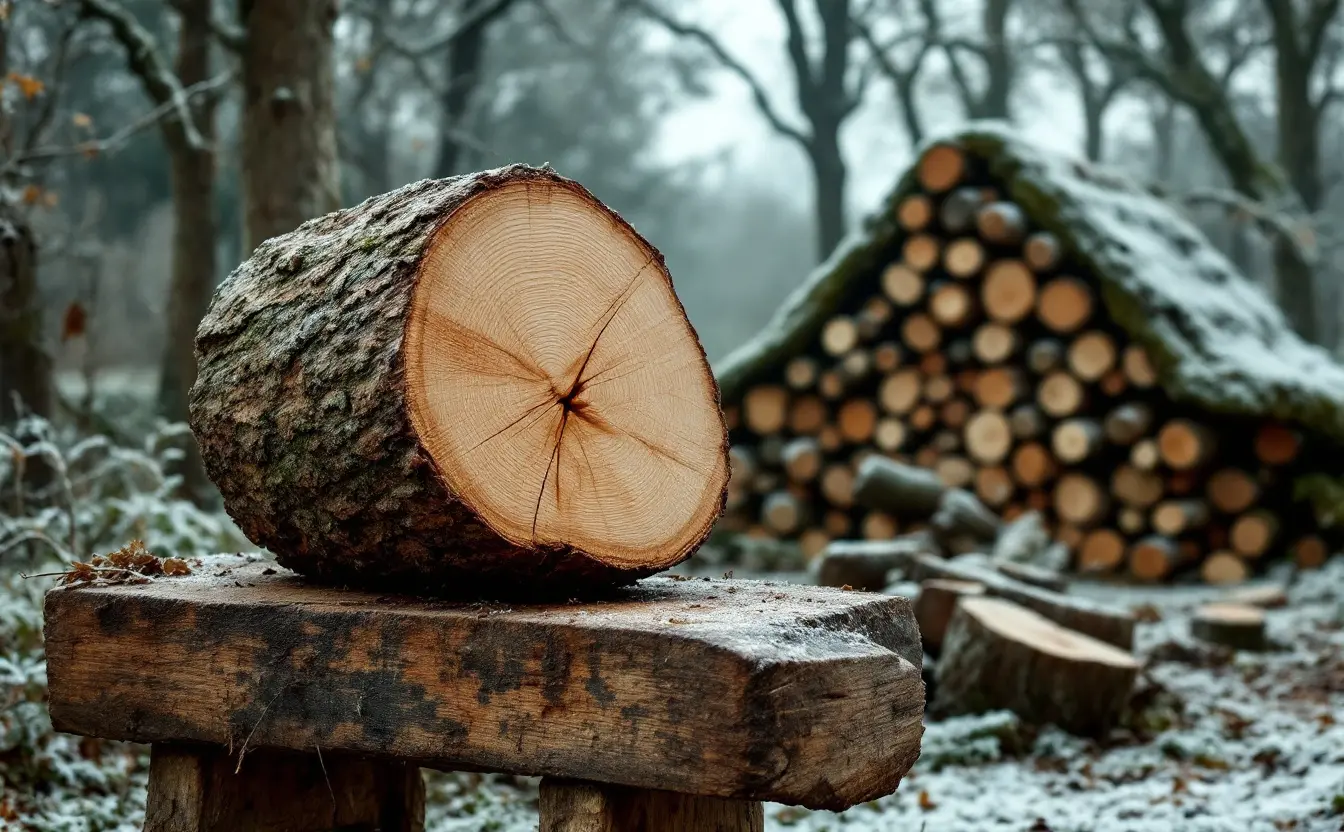
The best moisture meter for firewood is a simple pin meter. Read a fresh split face across the grain at room temperature; under about 20% means seasoned.
Rotten-egg well water is hydrogen sulfide. Smell hot and cold taps to find the source, then fix it with an anode swap, a well shock or an oxidizing filter.
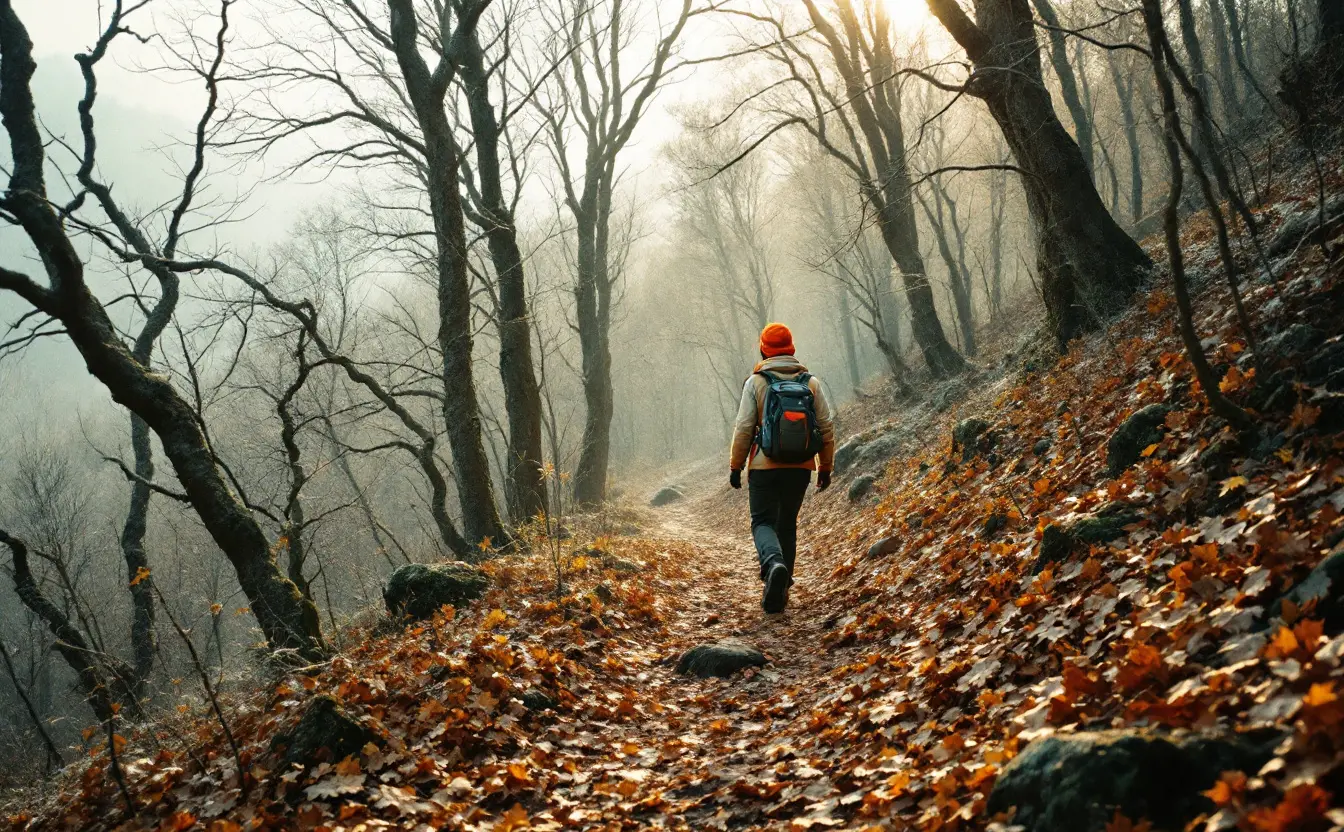
Fall woods are shared with hunters. A practical checklist for hikers covering blaze orange, timing, dogs, noise, where hunting happens and simple courtesy.
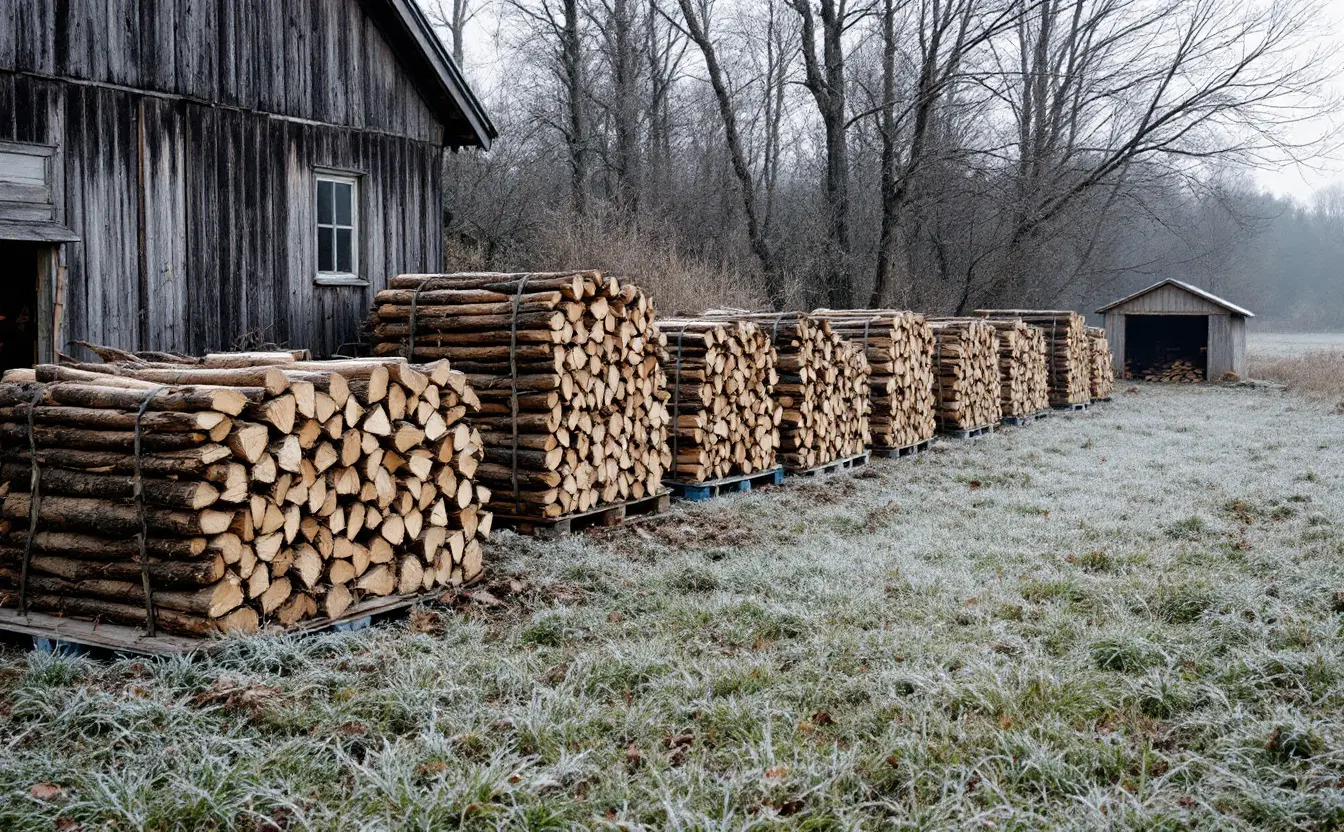
How much firewood you need depends on climate, house, stove and how much you rely on wood. Here's how to size a winter supply in cords and measure a delivery.
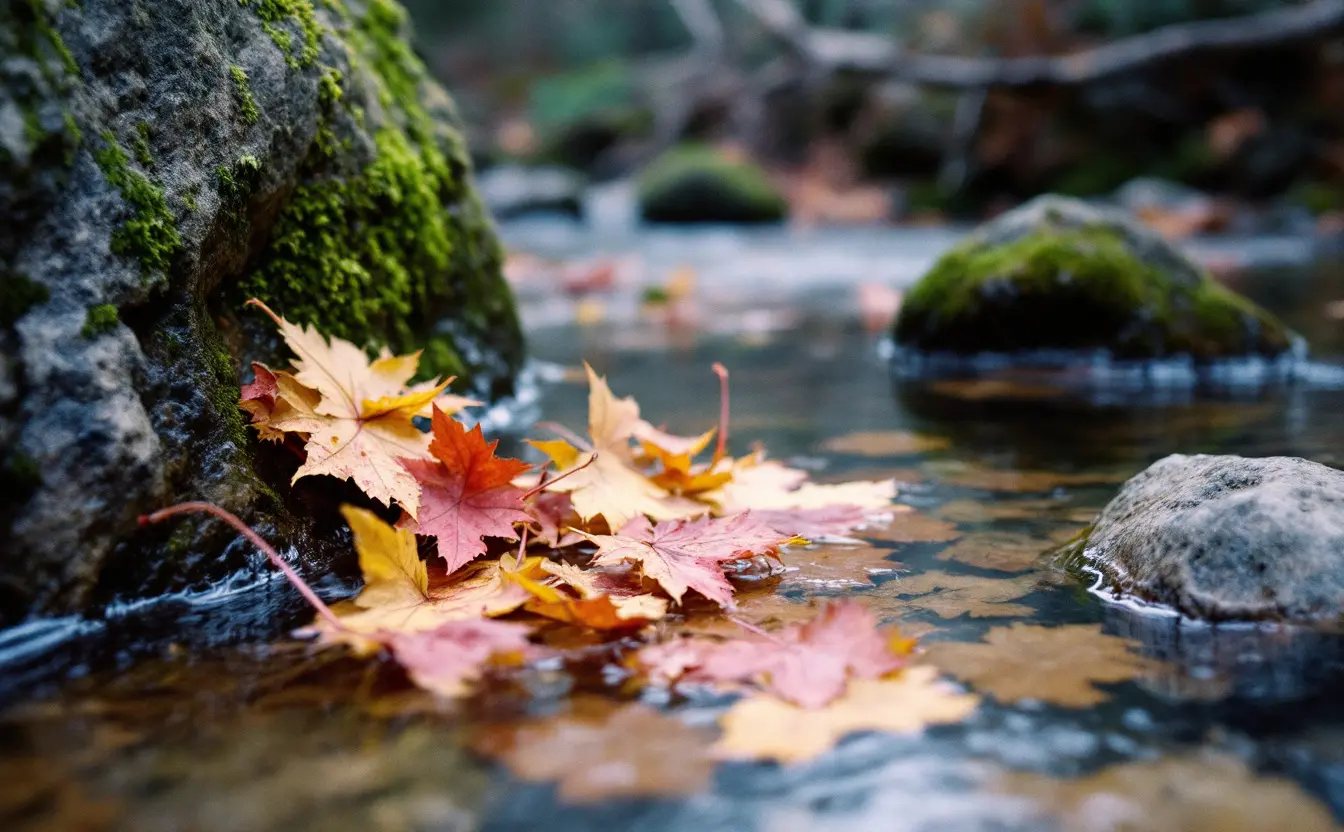
Autumn leaves that fall into a creek feed a whole food web. How leaf packs form, who eats them, why the tree species matters, and how to look inside one.
Battery backup for a gas furnace: a power station runs the blower and controls in an outage. Size it from the rating plate; hook it up via a transfer switch.
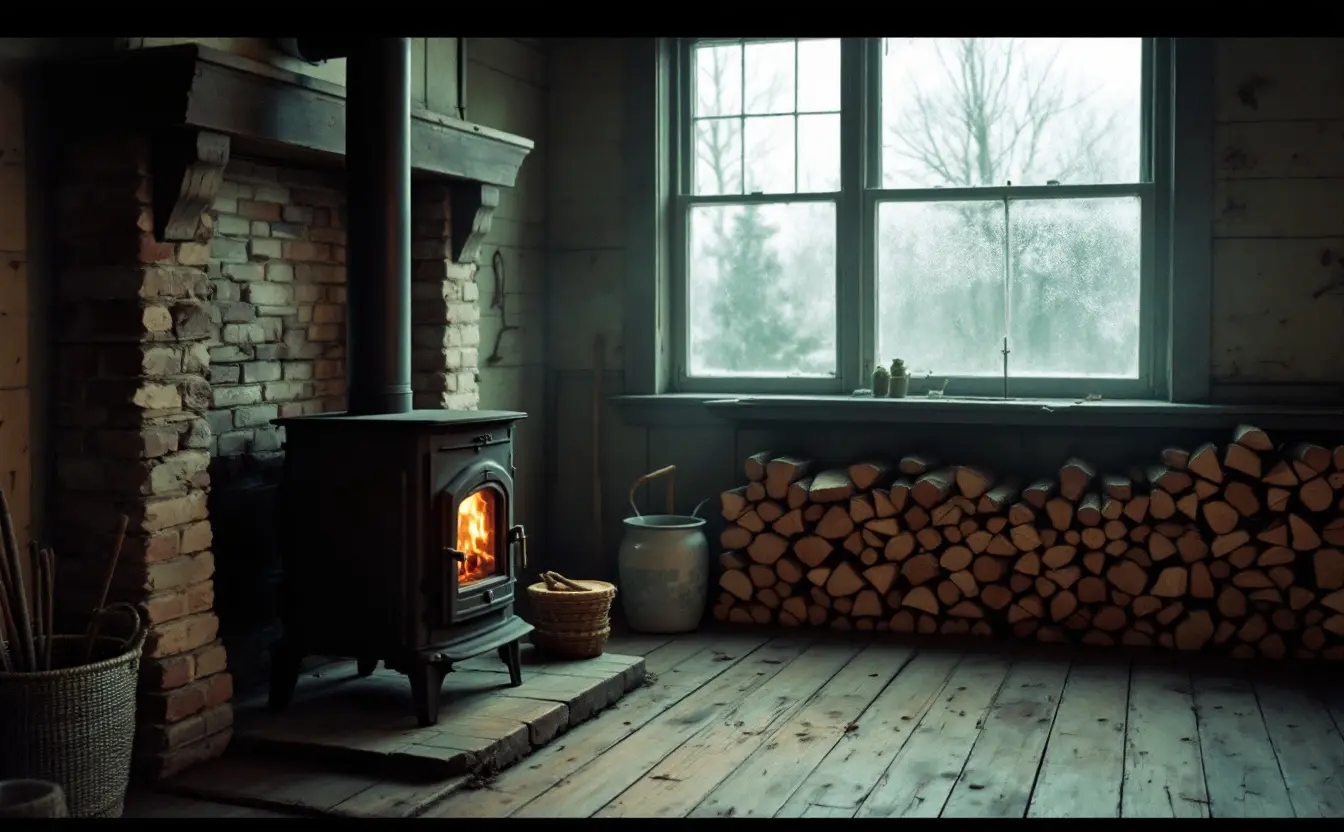
The wood stove accessories that earn their keep: a moisture meter, a stove thermometer, CO alarms, a metal ash can and a yearly sweep. The rest is optional.
No radon level is known to be risk-free. What the EPA's 4 and 2 pCi/L mean, how WHO, Canadian and EU limits convert, and what to do with your own result.