· Science & Explainers
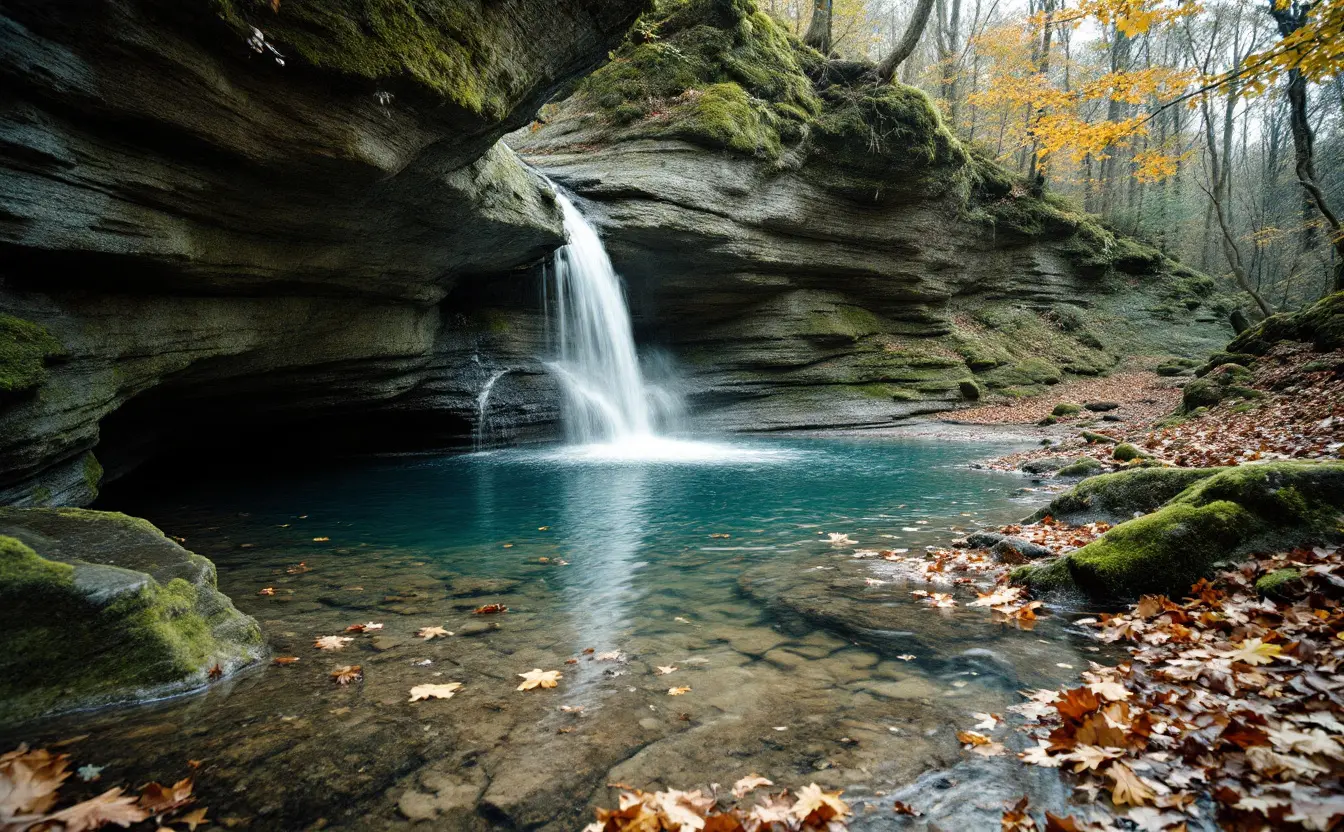
Karst country: caves, sinkholes and where the groundwater goes
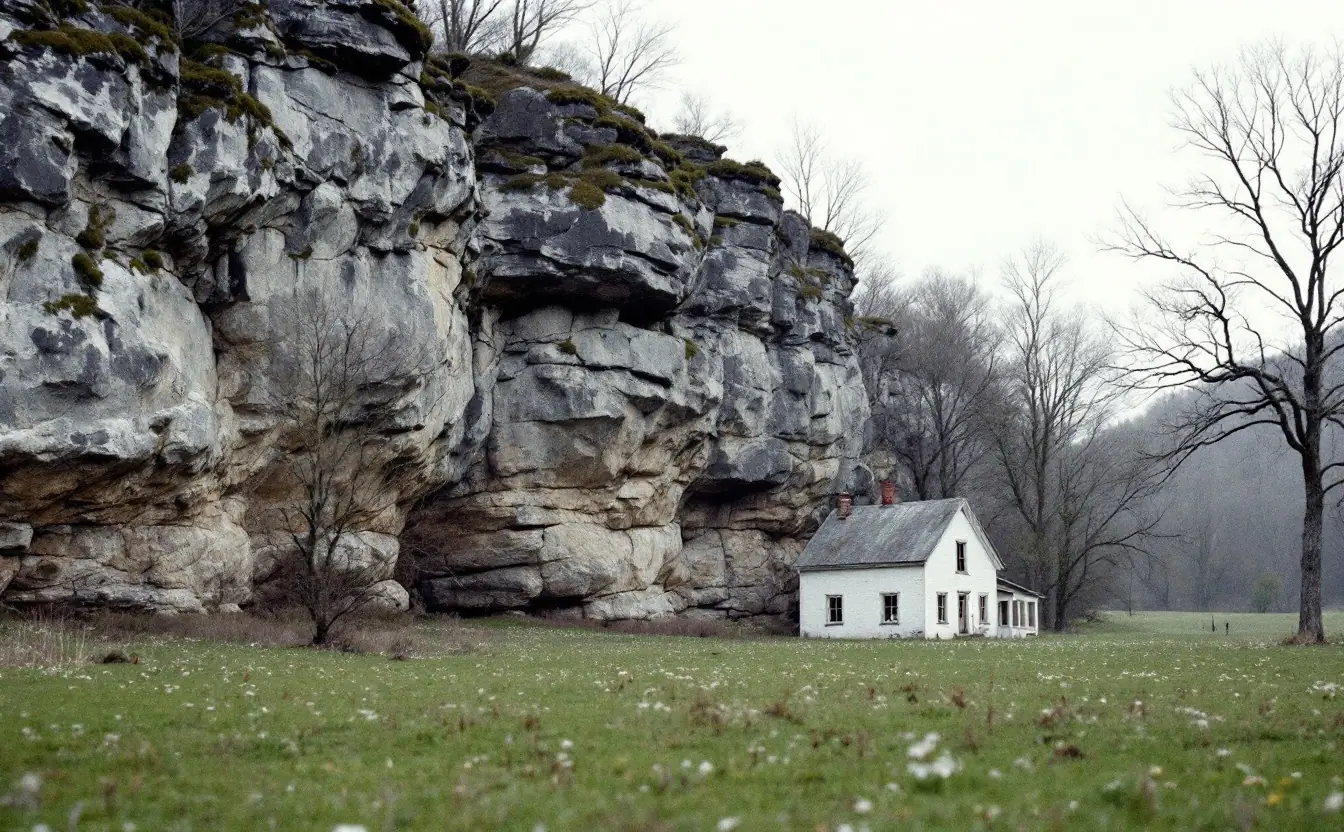
In limestone country, creeks vanish, springs gush and sinkholes open in fields. How karst forms, a table of its features and why its groundwater needs care.
How the natural world works, from soil chemistry to storms, explained without the jargon.
· Science & Explainers
In limestone country, creeks vanish, springs gush and sinkholes open in fields. How karst forms, a table of its features and why its groundwater needs care.
· Air & Climate
Measure new snow on a white board to the nearest tenth of an inch, clear it every six hours, and melt a core for the water. Depth, snowfall and SWE explained.
· Air & Climate
The best roof rake for snow is a telescoping blade rake with rollers for one-story homes, or a long slide-sheet rake for taller ones, used from the ground.
· Water & Rivers
Nitrates in well water come from fertilizer, manure and septic systems. The limit is 10 mg/L as nitrogen, infants face most risk, and boiling makes it worse.
· Air & Climate
The best home weather station is one you site well. How simple displays, all-in-one sensors and Wi-Fi stations differ, and why a weather radio matters.
· Air & Climate
How much snow a roof can hold depends on the snow's weight, not its depth. Work out the load per square foot, learn the warning signs, find your design load.
· Water & Rivers
Rotten-egg well water is hydrogen sulfide. Smell hot and cold taps to find the source, then fix it with an anode swap, a well shock or an oxidizing filter.
· Water & Rivers
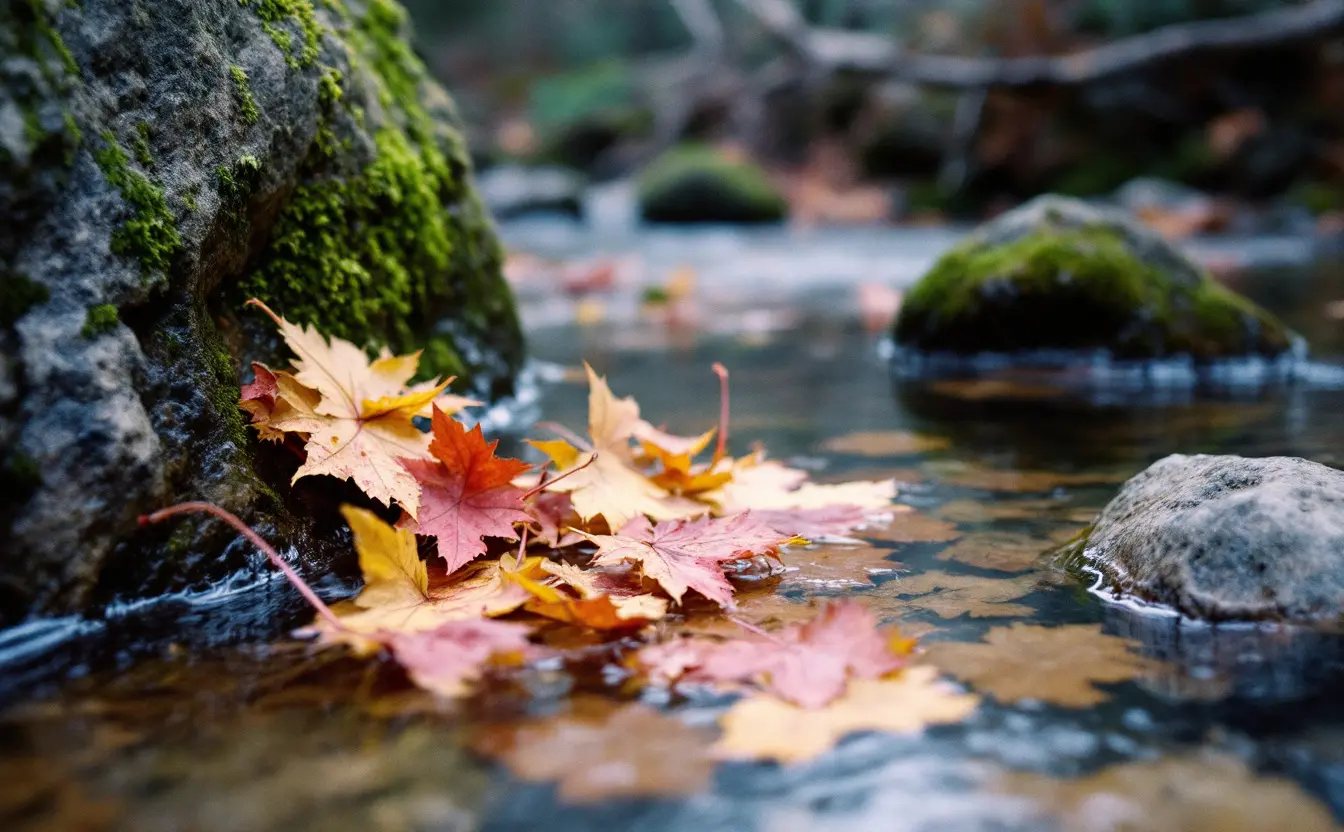
Autumn leaves that fall into a creek feed a whole food web. How leaf packs form, who eats them, why the tree species matters, and how to look inside one.
· Air & Climate
No radon level is known to be risk-free. What the EPA's 4 and 2 pCi/L mean, how WHO, Canadian and EU limits convert, and what to do with your own result.
· Air & Climate
The best radon detector depends on the question: a charcoal kit for a quick lab result, alpha-track for a yearly average, a monitor for watching changes.
· Air & Climate
Why steep, narrow valleys turn heavy rain into sudden floods: stalled storms, thin soils, fast runoff, the forecast terms to know and how to stay safe.
· Community & Lifestyle
What makes a lot a brownfield, how site assessments and risk-based cleanups work, what old sites become, and the questions neighbors can ask along the way.
· Water & Rivers
Why summer rivers grow green mats, how to tell plain algae from toxic cyanobacteria and golden algae, and what the signs mean for swimmers, dogs and anglers.
· Air & Climate
Radon is invisible, odorless and common in basements across the country. How home tests work, how to read a result, and what a mitigation system really does.
· Outdoor Recreation
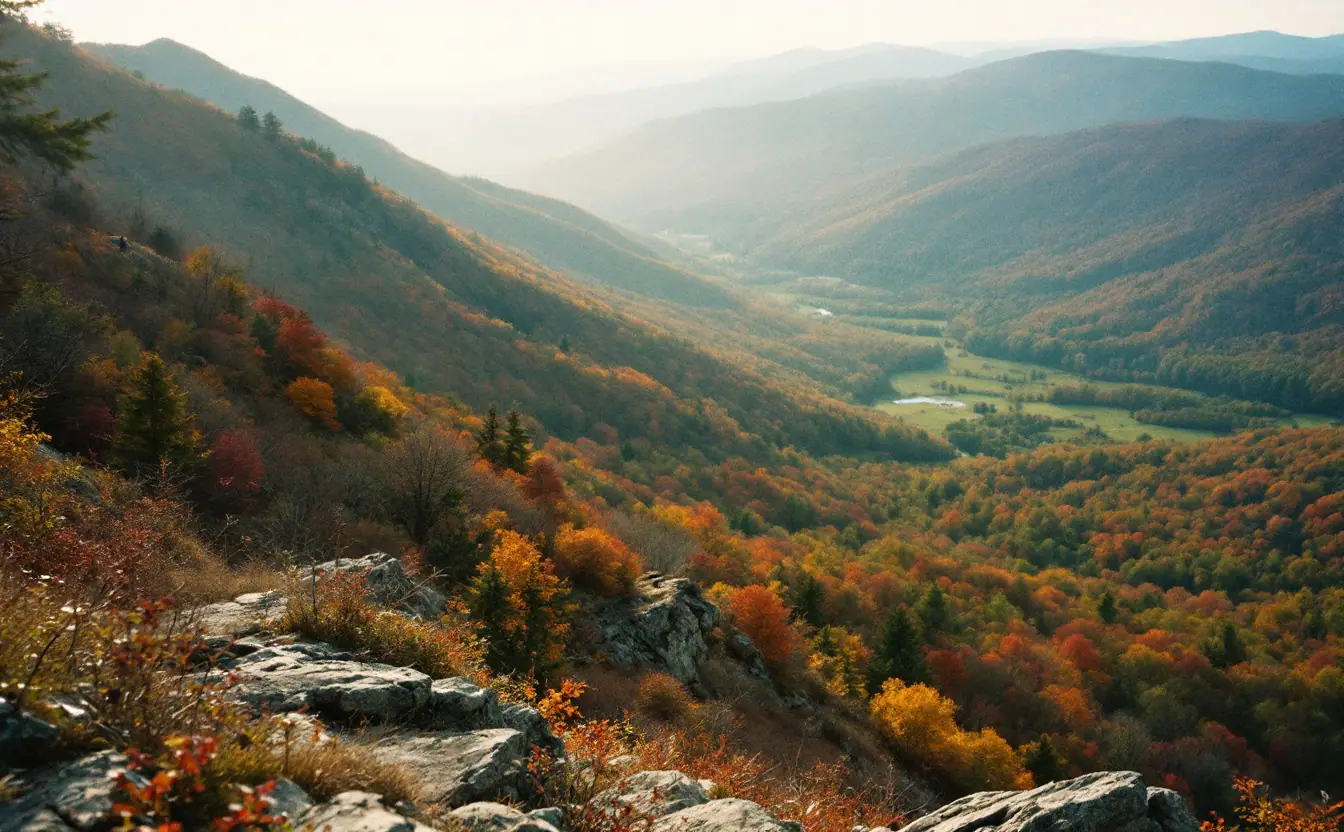
Fall color starts on high ridges and works downhill for weeks. Here is why, what turns at each elevation, and how to plan a color chase on short autumn days.
· Water & Rivers
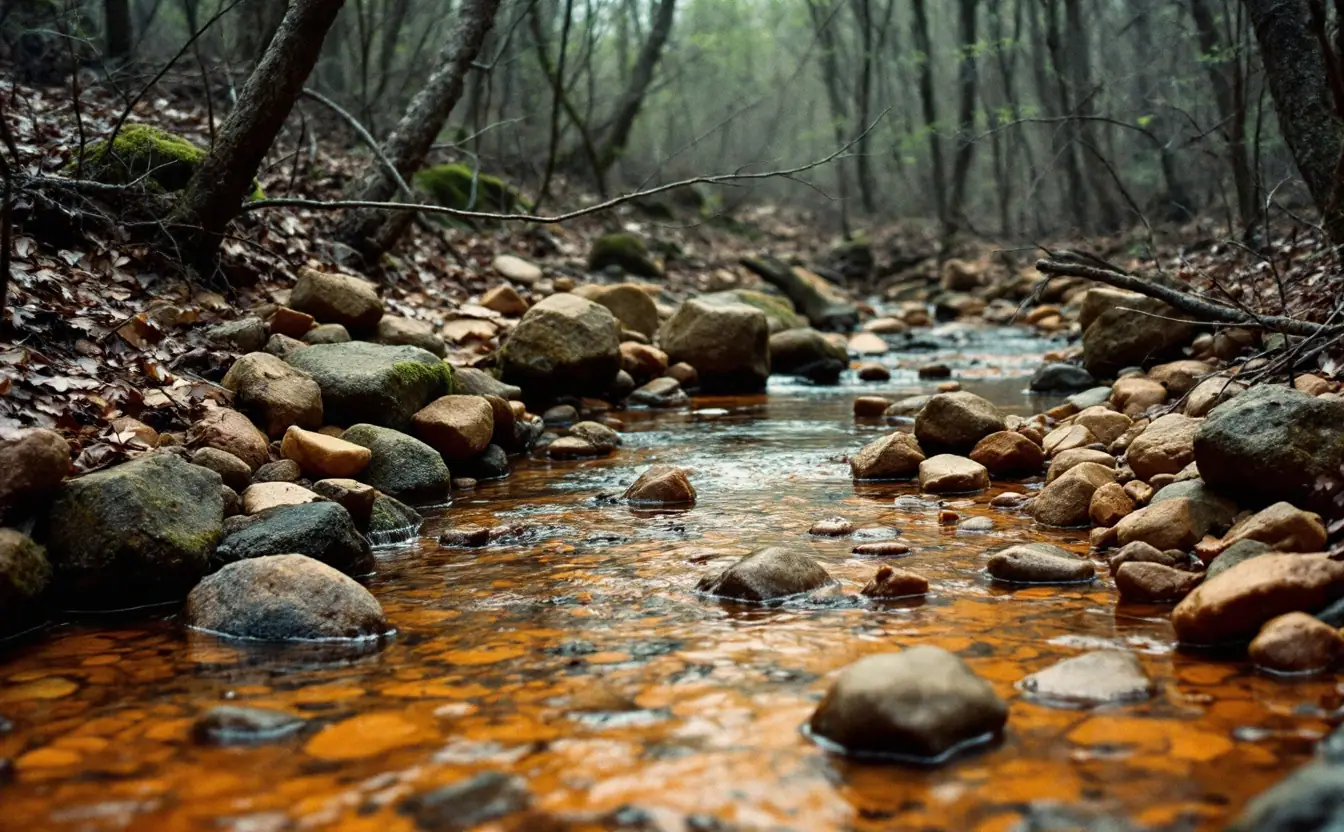
Why creeks below old coal and metal mines run orange, how pyrite turns water acidic, what that does to stream life, and how treatment brings creeks back.
· Water & Rivers
A freshwater ecologist walks through a stream water quality report line by line: units, qualifiers, standards, and what each number can and can't tell you.