· Air & Climate

Wood stove carbon monoxide: causes, warning signs and alarm placement
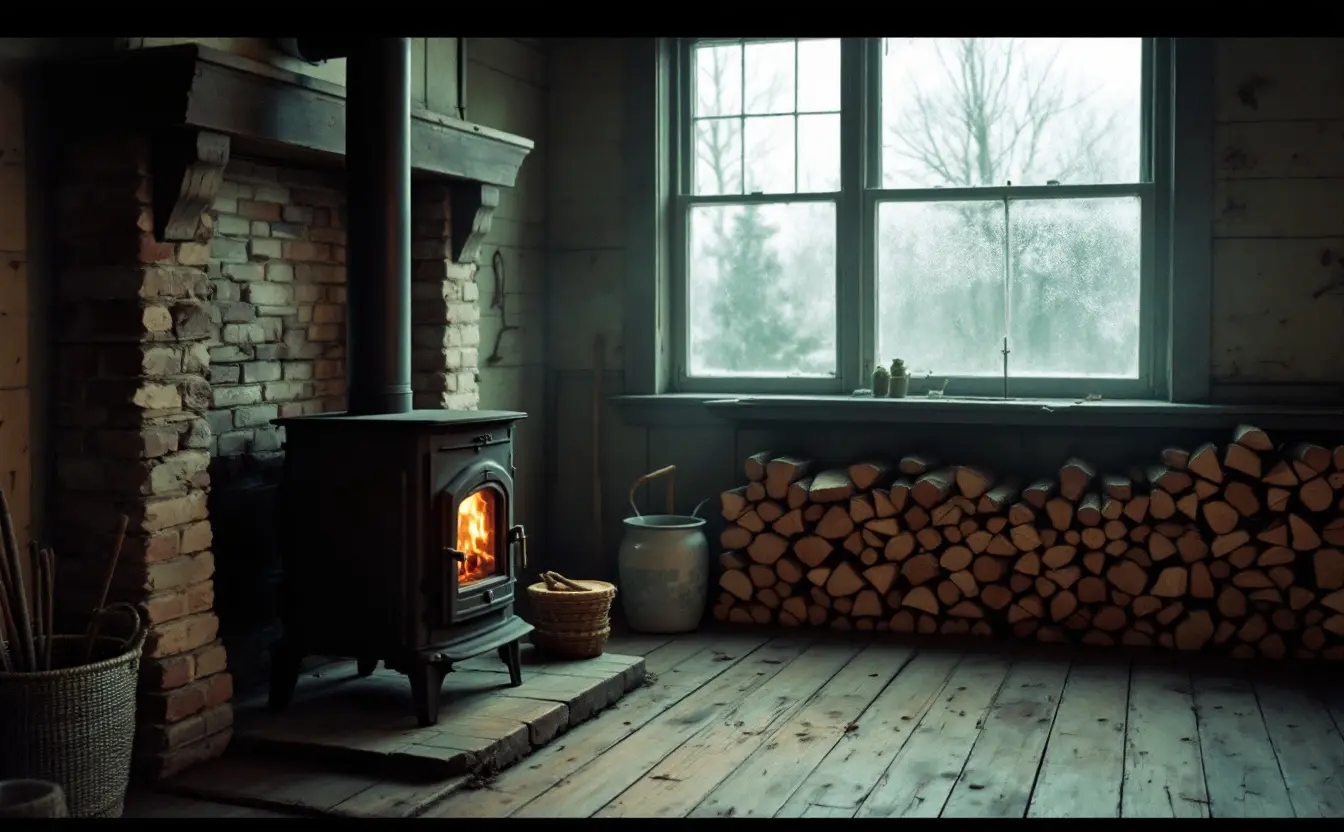
A wood stove makes carbon monoxide whenever wood burns short of air. Here's how it gets indoors, what poisoning feels like, where alarms go and what to do.
Practical writing on home energy, waste, gardens and everyday choices, honest about costs and free of greenwash.
· Air & Climate
A wood stove makes carbon monoxide whenever wood burns short of air. Here's how it gets indoors, what poisoning feels like, where alarms go and what to do.
· Sustainable Living
The best moisture meter for firewood is a simple pin meter. Read a fresh split face across the grain at room temperature; under about 20% means seasoned.
· Sustainable Living
How much firewood you need depends on climate, house, stove and how much you rely on wood. Here's how to size a winter supply in cords and measure a delivery.
· Air & Climate
Battery backup for a gas furnace: a power station runs the blower and controls in an outage. Size it from the rating plate; hook it up via a transfer switch.
· Sustainable Living
The wood stove accessories that earn their keep: a moisture meter, a stove thermometer, CO alarms, a metal ash can and a yearly sweep. The rest is optional.
· Sustainable Living
Seasoned firewood reads under 20% on a pin meter at a fresh split face. Without one, look for cracked grey ends, loose bark, light weight and a hollow knock.
· Sustainable Living
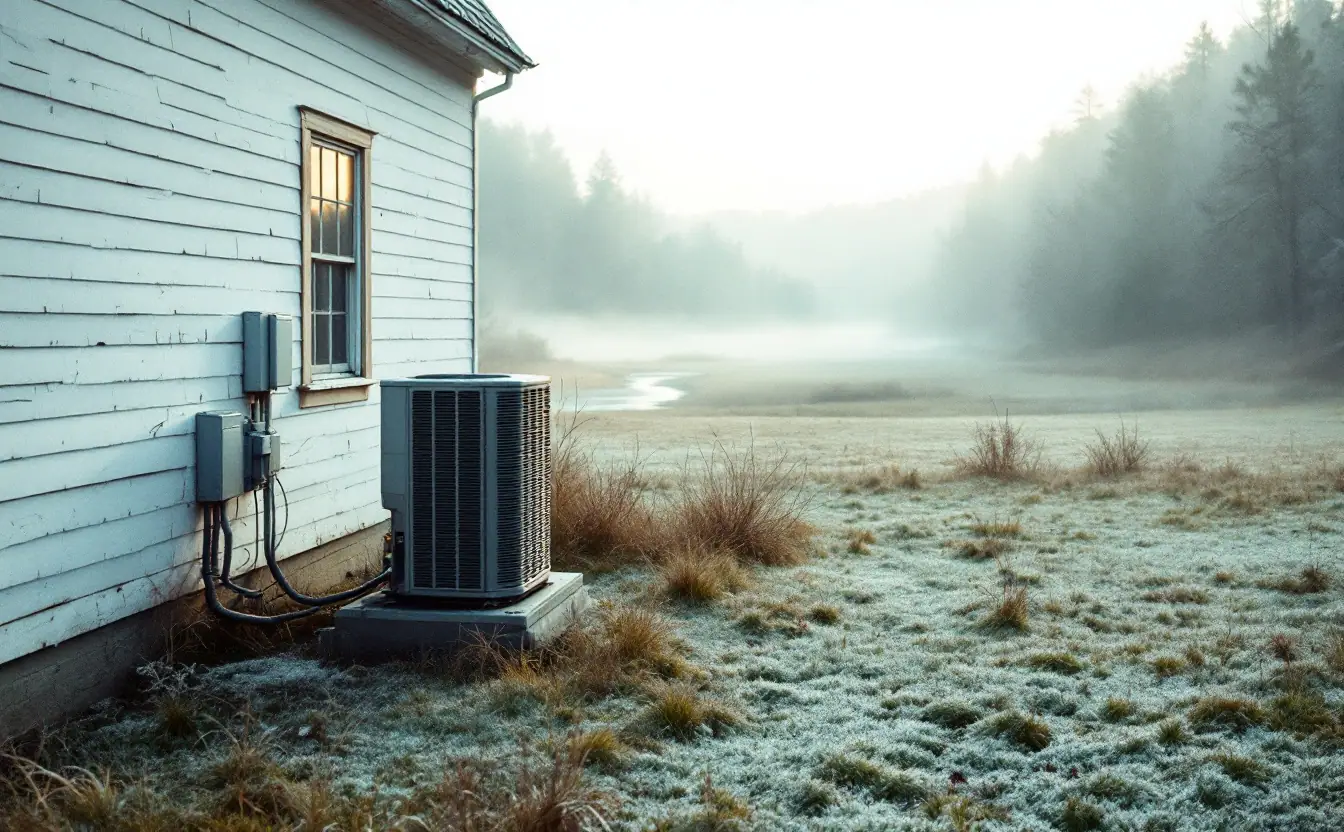
Cold-climate heat pumps can heat a house in a frosty valley. Here's how they work, what COP means, and how to site, size and back one up in the mountains.
· Sustainable Living
Follow a bin of cans, boxes and bottles from the curb through the sorting plant to new products, and learn which habits keep your load out of the landfill.
· Sustainable Living
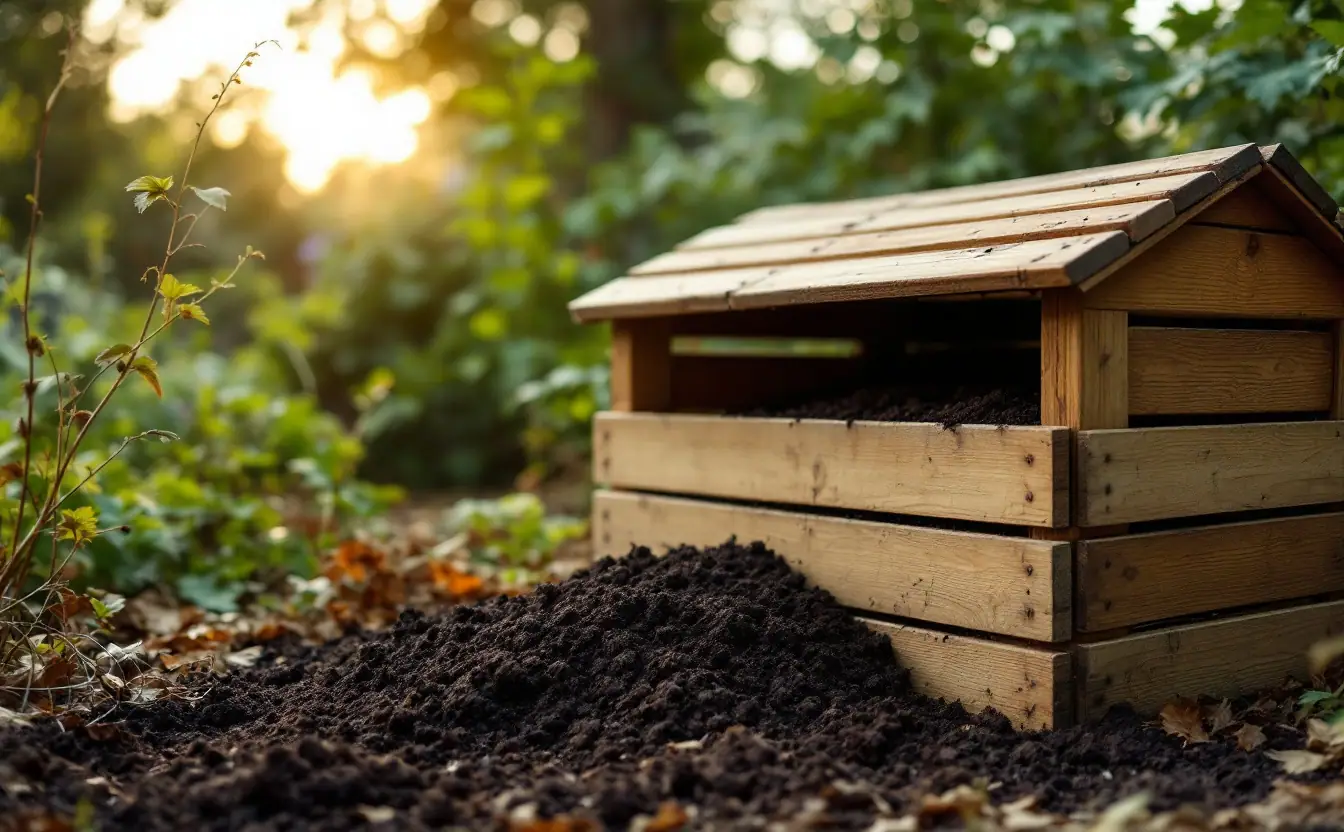
A healthy compost pile smells like damp soil. Ammonia, rotten eggs and sour vinegar each point to a specific problem, and most can be fixed in one afternoon.