Backyard composting without the smell: what each odor is telling you
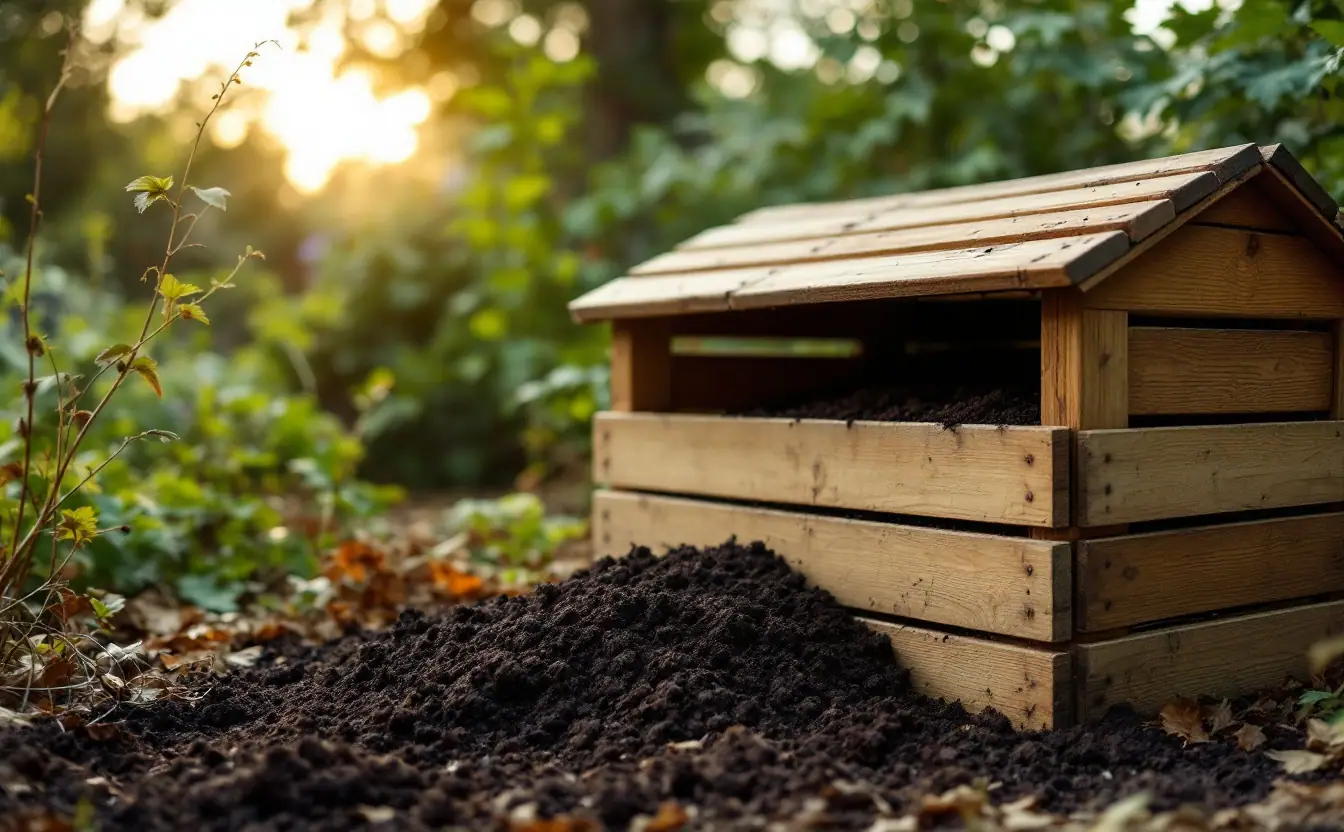
Ask people why they gave up on composting and the answer is usually some version of "it stank." Ask the neighbor of someone who composts what worries them, and you will hear the same thing. That is a shame, because a working compost pile does not smell bad at all. Put your nose close to a healthy one, which I do more often than I admit in polite company, and you get damp soil, leaf litter and maybe a faint sweetness, like a forest floor after rain.
When a pile does stink, the smell is not random. Each bad odor points to a particular thing gone wrong, and most of them can be fixed in an afternoon with a garden fork and a bag of dry leaves. I have produced every smell on this list somewhere on our old farmhouse lot, so consider what follows field-tested, sometimes at my neighbors' expense.
Why compost smells at all
Decomposition in a pile is done mostly by microbes, and which microbes are in charge decides the smell. When there is plenty of oxygen, aerobic bacteria and fungi break material down into carbon dioxide, water and heat, and a group of soil bacteria called actinomycetes give off geosmin, the compound behind that earthy after-rain smell. When the oxygen runs out, usually because the pile is too wet or packed too tight, anaerobic microbes take over. Their by-products include hydrogen sulfide and organic acids, smells you remember once you have met them.
The second lever is the balance of carbon and nitrogen. Microbes need both, and composting guides commonly put the sweet spot at roughly 25 to 30 parts carbon to one part nitrogen by weight. "Browns" such as dry leaves, straw, cardboard and wood chips are carbon-heavy. "Greens" such as kitchen scraps, grass clippings, coffee grounds and fresh manure are rich in nitrogen, whatever their actual color. Pile in too many greens and the extra nitrogen escapes into the air as ammonia.
So there are three things to manage: air and water, the carbon-nitrogen mix, and what goes in. Every smell below traces back to one of them.
The smell decoder
Ammonia, like a litter box or window cleaner
What is happening: too much nitrogen. The classic culprit is a big load of fresh grass clippings, or a whole summer of kitchen scraps with nothing brown mixed in. That sharp smell is nitrogen, the most valuable nutrient in your finished compost, leaving for the atmosphere.
The fix: mix in a generous amount of dry browns and turn the pile. Shredded leaves work best, with straw and torn plain cardboard close behind. Skip the lime some old advice recommends. It raises the pH, and a higher pH drives off even more ammonia.
Rotten eggs, sewage or swamp
What is happening: the pile has gone anaerobic, and the egg smell is hydrogen sulfide. The cause is almost always too much water, too little air, or both. Thick layers of grass clippings mat into a slimy wedge, wet food scraps settle into a dense bottom layer, and closed plastic bins trap moisture in rainy weather.
The fix: turn and fluff the pile with a fork, breaking up any mats. Work in coarse browns such as straw or small twigs, which hold air pockets open. In places with long rainy seasons, like the Pacific Northwest in winter or the Southeast in a wet summer, cover an open pile during the wettest weeks.
Sour, like vinegar, spoiled milk or a brewery
What is happening: fermentation. Sugary and starchy waste such as fruit, bread, rice and pasta, packed into a dense, wet clump, ferments into acids before it gets a chance to compost. This one is especially common in tumblers and during hot spells.
The fix: the same as for rotten eggs, plus smaller additions buried in the middle of the pile and covered with browns. One exception: bokashi bins are supposed to smell sour and pickled. That is the method working, not failing.
Rotting garbage or meat
What is happening: either the wrong inputs or exposed scraps. Meat, fish, bones, dairy and greasy leftovers putrefy in a backyard pile that does not stay reliably hot, and they draw flies and animals. The other common cause is a bowl of scraps dumped on top and left uncovered.
The fix: dig out the offenders and bag them for the trash. Keep meat, dairy, oils and droppings from dogs and cats out of a home pile entirely. Cover every fresh addition with a layer of browns.
Nothing at all, and nothing happening
What is happening: this is a progress problem rather than a smell problem. A pile of dry leaves can sit untouched for a year and stay a pile of dry leaves.
The fix: water it as you turn it, until it feels as damp as a wrung-out sponge. Then mix in some greens to feed the microbes.
Earthy, like the woods after rain
You got it right. Leave it alone, or start using it.
Build it so it never stinks
Keep a browns stash
This is the most useful habit in composting, and the most skipped. In the fall, bag leaves or pile them in a wire ring next to the bin, enough to cover every addition until the next leaf drop; our field almanac is handy for knowing when the trees near you will let go. Run a mower over the leaves first if you can, since shredded leaves break down faster and do not mat. In a pinch, straw (not hay, which is full of seeds), torn plain cardboard, newspaper and thin layers of sawdust from untreated wood all work.
Bury every bucket
When you bring out kitchen scraps, pull back the top layer, dump the scraps into the middle and cover them with a few inches of browns. Many extension guides suggest roughly two to three parts browns to one part greens by volume as a starting point. Treat that as a first guess and let your nose adjust it.
Watch the water
Aim for the damp of a wrung-out sponge. Squeeze a handful from the middle of the pile: a few drops between your fingers is about right, a stream means too wet, and a handful that crumbles dry means it needs water.
Mind the size and the turning
A pile about a cubic yard, roughly three feet on each side, is big enough to hold its own heat. A hot pile can reach roughly 130 to 160°F in the center, warm enough to kill many weed seeds and to finish faster. Smaller piles still compost, just more slowly and coolly, and they do not smell if the mix is right. Turning every week or two in warm weather keeps air moving, and if you hate turning, build with more coarse material and lay a few sticks across the base for airflow.
Chop and site it well
Cut up melon rinds, cabbage cores and corn cobs so they do not sit for months. Set the bin on bare soil rather than concrete, so it drains and worms can move in, give it partial shade in hot climates, and put it close enough to the kitchen door that you will still use it in January.
Summer is the hard season
Heat speeds everything up in late July. That includes smells and flies.
Fruit flies are the first complaint. Keep a lidded container of scraps in the freezer and empty it on bin day; frozen scraps draw no flies, and they thaw already half broken down.
Soldier fly larvae startle a lot of people: segmented, grayish-brown grubs that seem to boil in the top of a warm, wet bin. They eat scraps remarkably fast, and the adults do not bite. A huge crowd of them does mean the pile is too wet and too green, so add browns.
Rats, raccoons and skunks come for food. Use a bin with a tight lid and quarter-inch hardware cloth across the bottom, and keep meat and dairy out.
Bears are another matter. In bear country, including parts of the Rockies, the Appalachians, New England, the upper Great Lakes and the Sierra Nevada, compost with food scraps can draw them into a yard. Many households there compost only yard waste while bears are active, or move food scraps to a worm bin indoors. Check local guidance before you start.
Containers, and what each one costs you
No bin solves smell on its own. Each one has trade-offs the packaging leaves out.
- Open pile or wire ring: free or nearly so, easy to turn and easy to check. It looks scrappy, animals can reach it, and heavy rain soaks it.
- Pallet bin: cheap if you can find free pallets. Look for the "HT" stamp, meaning heat-treated, and skip any marked "MB," which were fumigated with methyl bromide. Three bays let you keep one filling, one cooking and one finished.
- Enclosed plastic bin: tidy and rain-proof at a modest price. It is hard to turn, and because moisture cannot escape, it goes wet and anaerobic quickly unless you keep adding browns.
- Tumbler: easy turning and good protection from critters, at the highest price. Batches are small, and tumblers draw more sour-smell complaints than anything else I hear about. Add more browns than seems reasonable and stop adding to a batch so it can finish.
- Worm bin: lives indoors or in a garage and handles kitchen scraps with little smell if you do not overfeed it.
- Bokashi bucket: ferments scraps with an inoculated bran. The sour smell is normal, and the output still has to finish in soil or a pile.
One anti-greenwash note. "Compostable" plates, cups and bags made from plant-based plastics are usually designed for industrial facilities, which run hotter and steadier than any backyard pile, and in a home bin they can sit for a very long time. Unless the label says home compostable, keep them out. Our green tips page has more small swaps that skip the packaging problem altogether.
Rescuing a pile that already stinks
If your pile has already turned, do not give up on it. A single afternoon usually brings it back.
- Stop adding greens for a week, and freeze or trash scraps in the meantime.
- Pull the pile apart with a fork onto a tarp or the ground beside the bin.
- Pick out anything that should not be there, such as meat, dairy or produce stickers.
- If the material is soaked, leave it spread thin for an hour or two on a dry day.
- Rebuild in layers, alternating the old material with dry, coarse browns and breaking up any mats.
- Do the squeeze test and add water only if it comes up dry.
- Sniff again after a few days and turn once more. With a proper rebuild, the smell usually fades within a week or two.
Then set a full bag of leaves next to the bin and leave it there. The next time you walk out with a bowl of melon rinds, you will have something to cover them with, and your neighbor will have no reason to wonder what is in that box.
Hollow & Headwater is an independent publication. Nothing here is official guidance – for permits, rules or emergencies, go to the relevant public authority.