· Air & Climate

Wood stove carbon monoxide: causes, warning signs and alarm placement
A wood stove makes carbon monoxide whenever wood burns short of air. Here's how it gets indoors, what poisoning feels like, where alarms go and what to do.

Nadia renovated a drafty old farmhouse on a tight budget and learned home energy the hard way. She writes about waste, gardens, heating and everyday green living, with the costs and trade-offs left in.
· Air & Climate
A wood stove makes carbon monoxide whenever wood burns short of air. Here's how it gets indoors, what poisoning feels like, where alarms go and what to do.
· Sustainable Living
The best moisture meter for firewood is a simple pin meter. Read a fresh split face across the grain at room temperature; under about 20% means seasoned.
· Sustainable Living
How much firewood you need depends on climate, house, stove and how much you rely on wood. Here's how to size a winter supply in cords and measure a delivery.
· Sustainable Living
The wood stove accessories that earn their keep: a moisture meter, a stove thermometer, CO alarms, a metal ash can and a yearly sweep. The rest is optional.
· Sustainable Living
Seasoned firewood reads under 20% on a pin meter at a fresh split face. Without one, look for cracked grey ends, loose bark, light weight and a hollow knock.
· Sustainable Living
Cold-climate heat pumps can heat a house in a frosty valley. Here's how they work, what COP means, and how to site, size and back one up in the mountains.
· Sustainable Living
Follow a bin of cans, boxes and bottles from the curb through the sorting plant to new products, and learn which habits keep your load out of the landfill.
· Sustainable Living
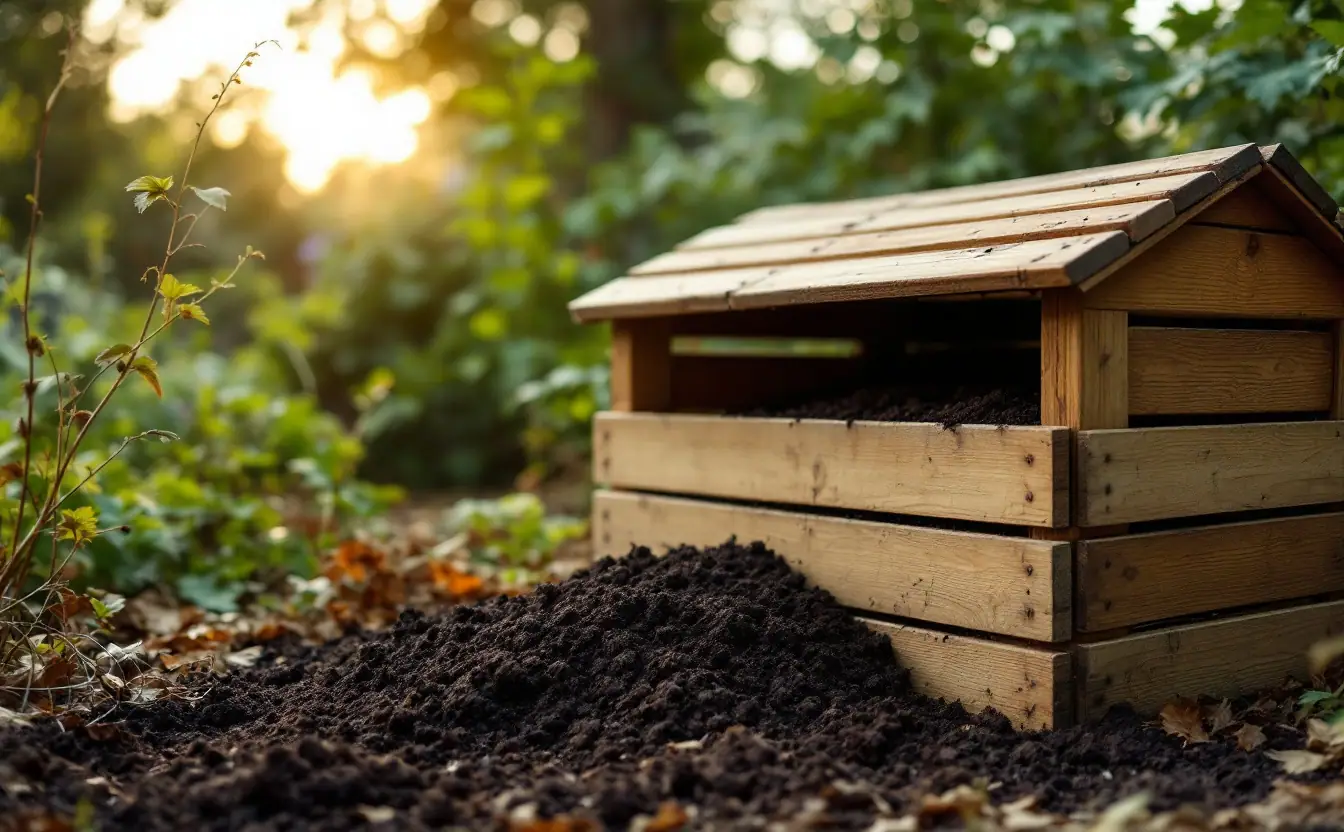
A healthy compost pile smells like damp soil. Ammonia, rotten eggs and sour vinegar each point to a specific problem, and most can be fixed in one afternoon.