Sustainable Living · Community & Lifestyle
Where your recycling actually goes after the truck pulls away
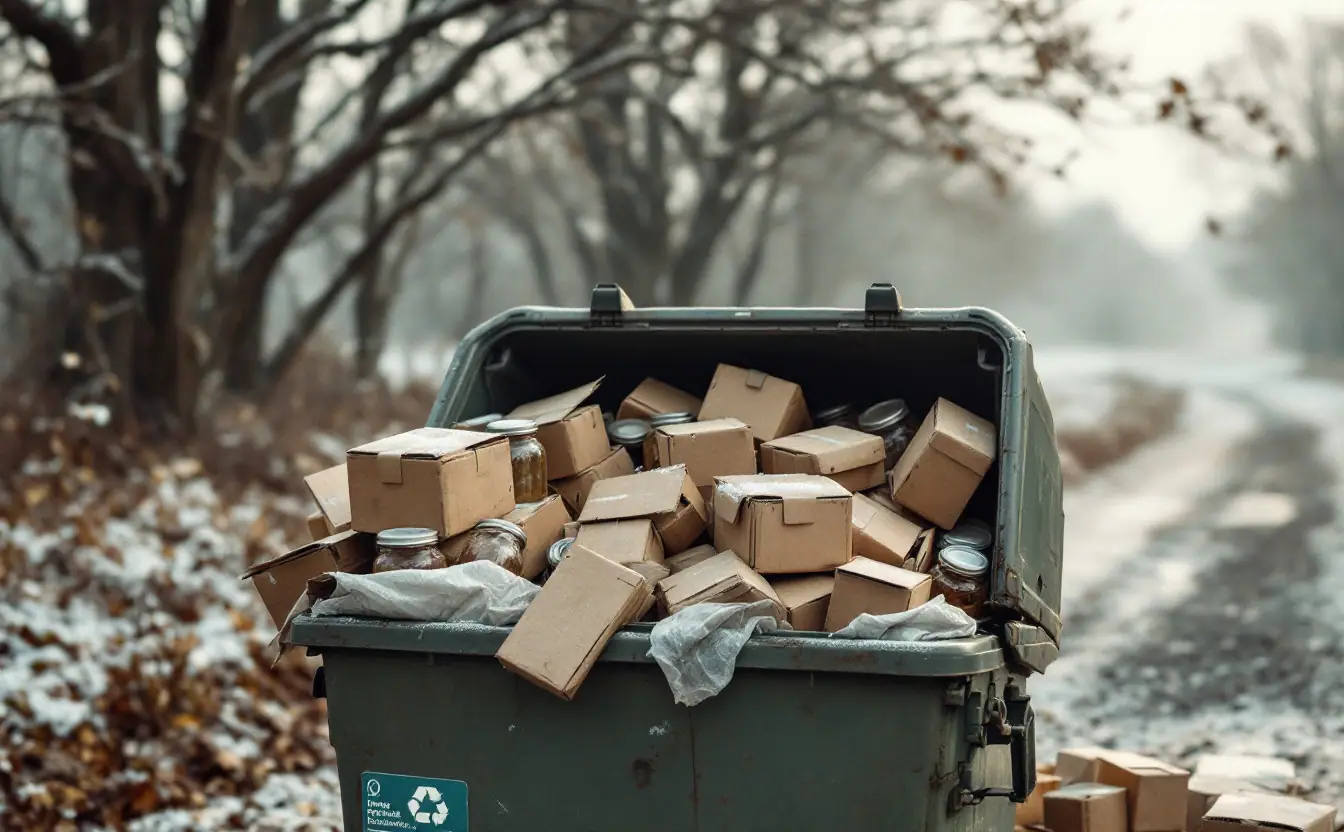
The week after Thanksgiving, our recycling bin looks like a shipping depot exploded inside it: boxes nested in boxes, a wad of packing paper, a few wine bottles, the plastic clamshell the dinner rolls came in. I drag it down the driveway, the truck comes, and the whole lot vanishes. For years that vanishing was the end of the story as far as I was concerned.
It isn't, of course. That bin is starting a trip through a sorting plant, a commodity market and, if things go well, a factory that turns it into something new. Learning what happens along the way changed how I fill the bin more than any sticker on the lid ever did. Here is the journey, stop by stop, with the unflattering parts left in.
First, which kind of program do you have?
Most curbside programs in the U.S. are single-stream: paper, cardboard, cans, bottles and jugs all go into one cart. It's convenient, and people recycle more when it's easy. The trade-off is that everything gets mixed and crushed together in the truck, which makes sorting harder and the material dirtier.
Some places run dual-stream programs, with paper in one bin and containers in another, and many rural counties rely on drop-off centers where residents sort into separate bins themselves. Drop-off is more work for you, but the material usually comes out cleaner and worth more. The steps below follow a single-stream cart, since that's where most curbside material goes, but the later stops apply to everyone.
Following one bin, step by step
The truck compacts it. An automated truck lifts your cart, dumps it and squeezes the load to fit more in. Compaction is where glass usually breaks, and where a stray lithium battery can be crushed and spark. Battery fires in trucks and sorting plants are a well-known and expensive problem for the industry.
The tipping floor. The truck unloads at a materials recovery facility, which people in the business call a MRF (pronounced "murf"). The load lands in a heap on a wide concrete floor, and a loader pushes it onto a conveyor. You can often smell a MRF before you see it: old cardboard, spilled soda, and whatever someone didn't rinse.
The pre-sort. Workers at the head of the line pull out things that will cause trouble further on, such as plastic bags, garden hoses, extension cords, strings of holiday lights, clothing and chunks of scrap. The industry calls these "tanglers," because they wind around the spinning shafts of the screens and can stop the whole line until someone climbs in and cuts them free.
The screens. Next come the clever machines. Rows of spinning discs or star-shaped wheels carry flat, light things like cardboard and paper up and over, while round or heavy things like bottles and cans tumble down and through. Big cardboard is usually pulled off first. Glass shatters and drops out through its own screens. Very small items, like loose bottle caps, shredded paper and plastic cutlery, tend to slip through the gaps and end up as waste.
Magnets and the can-flinger. Overhead magnets lift steel cans out of the stream. Aluminum isn't magnetic, so plants use an eddy current separator, a fast-spinning magnetic rotor that induces a current in aluminum and repels it so hard that cans leap off the end of the belt into their own bin. It is the most satisfying thing to watch in the whole building.
Optical sorting. Plastics are sorted by near-infrared sensors that identify each item's resin in a fraction of a second, then fire a puff of compressed air to knock it into the right chute. PET bottles go one way, HDPE jugs another. Black plastic is hard for many of these sensors to read, which is one reason black trays so often go unrecovered.
Quality control. Workers stand along the lines picking out what the machines got wrong: a plastic bottle in the paper, a juice carton among the cans. It's hard, repetitive work, and every bag of kitchen trash or dirty diaper that goes into a cart ends up in front of one of them.
Baling. Each sorted material is pressed into dense, wire-bound bales heavy enough to need a forklift. The bales are stacked by material, aluminum in one row and cardboard in another, to wait for a buyer.
The market. This is the stop most people never think about. Bales are commodities, bought by paper mills, plastic reclaimers, glass processors and smelters, and their prices rise and fall like any other raw material. If a bale is too contaminated to sell, or nobody wants that material at the moment, it may sit in a warehouse or, at worst, go to a landfill.
The second life. Finally a mill or plant turns the bale into feedstock for something new. That is the only point at which recycling has actually happened.
Material by material: where it ends up
Aluminum cans are the success story. They're valuable, easy to sort, and can be melted into new cans again and again without losing quality, using a small fraction of the energy it takes to make aluminum from ore. If you only recycle one thing perfectly, make it cans.
Cardboard and paper go to mills that pulp them in water, screen out staples and tape, and form new boxes, paperboard or tissue. Paper fibers get shorter each time around, so fiber can only make a limited number of trips before it washes out of the process, and mills blend in new fiber to make up the difference. Corrugated boxes, like the ones that fill my bin every December, are wanted almost everywhere. Greasy pizza boxes are more contested: many programs now take them, and some still don't.
PET bottles (the #1 soda and water bottles) are washed, chopped into flakes and turned into new bottles, polyester fiber for carpet and fleece, or packaging. HDPE (#2 milk jugs and detergent bottles) becomes new bottles, pipe or plastic lumber. Those two are the backbone of plastic recycling. Tubs and containers marked #5 have buyers in some regions and not in others.
Most other plastics, the #3, #6 and #7 categories, are rarely recycled through curbside programs. The number inside the chasing arrows is a resin identification code that tells you what the plastic is made of, not a promise that anyone will take it. Newer packaging often shows a plain triangle around the number instead of arrows for exactly that reason.
Glass is the awkward one. Clean glass sorted by color makes new bottles and fiberglass insulation. Mixed, broken glass out of single-stream carts is heavy, costly to haul, and peppered with bits of paper and ceramic, so a good deal of it ends up as road base or landfill cover instead. Some communities have pulled glass from curbside collection and set up separate glass drop-off bins, which tends to produce much cleaner material.
The unflattering part
For decades, a large share of America's mixed paper and plastic was shipped overseas, much of it to China. In 2018 China sharply restricted those imports and set a contamination limit so strict that most mixed bales couldn't meet it. Prices for some materials fell hard, and many programs had to shorten their accepted lists, raise fees, or both. The lesson that stuck with me is that recycling is a market, not a magic trick. It works when there's a buyer for clean material.
That's also why "wishcycling," tossing something in the bin because you hope it's recyclable, does more harm than good. One wrong item rarely ruins a load, but a lot of them raise sorting costs, foul the bales and make the whole program harder to pay for. The industry's own rule of thumb is "when in doubt, leave it out." I was a devoted wishcycler for years. My conscience felt wonderful. The MRF did not.
None of this makes recycling pointless. Cans, cardboard, paper and the common bottles and jugs become new things every day. It does mean recycling sits third in the old "reduce, reuse, recycle" line for good reason. Buying less packaging and reusing what you already have beats even perfect sorting, and food scraps don't belong in either cart. They're far more useful in a backyard compost pile.
Getting your own bin right
Your local program's list, not the symbol on the package, is what counts. Most towns, counties and haulers post their accepted materials online, and many MRFs offer public tours or video walk-throughs that are well worth an afternoon. The U.S. EPA keeps a plain-language overview of how recycling works, and our green tips page collects other small habits that add up over a year. Beyond that, a few rules hold almost everywhere:
- Empty, clean, dry. A quick rinse is plenty. Containers don't need to be dishwasher clean, but leftover food and liquid soak into paper and spoil it.
- No bags in the cart. Put recyclables in loose. Plastic film and grocery bags go to a store drop-off bin if your area has one, never into the curbside cart.
- Never batteries. Lithium batteries, including the ones inside vapes, old phones and cordless tools, belong at a battery collection point.
- Caps as directed. Many programs now ask you to screw caps back onto empty bottles so they don't fall through the screens. Check what yours prefers.
- Flatten the boxes. Flat cardboard leaves room in the truck and rides the screens the way it's supposed to.
- Skip the small stuff. Very small items, from loose lids to shredded paper, are likely to fall through the machinery unless your program gives specific instructions for them.
Next time the truck pulls away, picture your cart landing on that tipping floor and moving down the line. The cans fly off the eddy current separator, the cardboard rides up over the discs, and a worker on the quality control belt reaches right past your clean, flattened box without giving it a second look. From the other side of the curb, that's what a good bin looks like.
Hollow & Headwater is an independent publication. Nothing here is official guidance – for permits, rules or emergencies, go to the relevant public authority.