Sustainable Living · Air & Climate
Wood stove accessories worth owning, and the ones you can skip
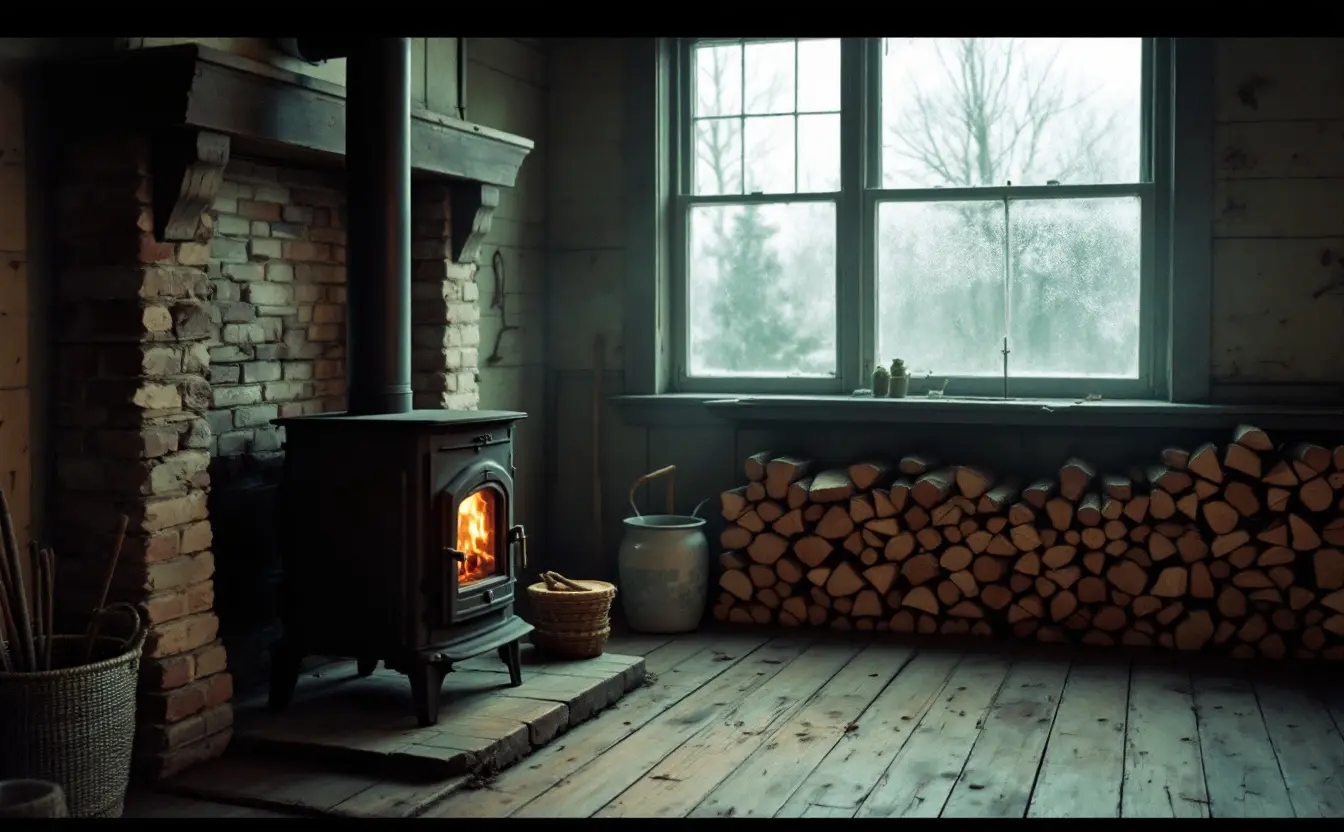
The wood stove accessories that make a real difference are few: a pin moisture meter for the wood, a stove-top thermometer for the fire, carbon monoxide alarms for the house, a metal ash can with a tight lid, and a yearly visit from a chimney sweep. After those, a heat-powered fan and a canvas log carrier make winter more pleasant. Most of what else hangs on the hearth-shop wall is decoration.
About these links: some go to Amazon and partner shops and may earn us a commission. As an Amazon Associate I earn from qualifying purchases.
Field shortlistHeating season
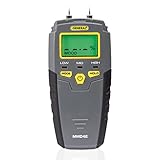 General Tools MMD4E pin moisture meterA pin meter for split firewood: push the pins into a fresh split face for a reading in percent.$39.98 Price seen on Amazon Oct 23, 2026, 12:35 PM ETSee it at Amazon ›
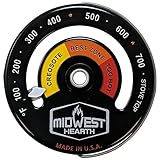 Magnetic stove-top thermometerA dial thermometer that sits on the stove top so you can keep the fire in its efficient range.$24.95 Price seen on Amazon Oct 23, 2026, 12:35 PM ETSee it at Amazon ›
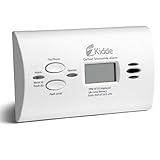 Kidde battery carbon monoxide alarmA battery CO alarm for the room with the stove and near sleeping areas.$27.49 Price seen on Amazon Oct 23, 2026, 12:35 PM ETSee it at Amazon ›
Product prices and availability are accurate as of the date/time indicated and are subject to change.
I say that as someone who has bought some of the decoration. When we renovated the farmhouse, the budget for the stove corner was whatever survived the roof and the wiring, which focused the mind. These are the things I'd buy again, roughly in the order I'd buy them, with notes on where each one falls short.
What actually makes a stove safer and more efficient?
Nearly every wood stove problem traces back to five things: wet fuel, a fire run too cool or too hot, carbon monoxide escaping into the house, hot ashes handled carelessly, and a dirty or damaged chimney. A good accessory deals with one of those. Anything that doesn't is optional, however handsome it looks on the hearth.
| Item | What it does | Safety or comfort | What to look for |
|---|---|---|---|
| Pin moisture meter | Says whether wood is dry enough to burn | Both | Two steel pins, a clear display, a wood setting |
| Stove-top or flue thermometer | Shows whether the fire is in its efficient range | Both | The right type for your stove and pipe |
| CO alarms | Warn when carbon monoxide builds up | Safety | A UL 2034 listing, an end-of-life date, enough units for every level |
| Metal ash can with lid | Holds hot ash until it's truly cold | Safety | Heavy metal, a tight lid, a raised bottom |
| Chimney inspection and sweep | Finds creosote, blockages and damage | Safety | A certified sweep, once a year |
| Heat-powered fan | Moves warm air off the stove top | Comfort | A working range that matches your stove's surface heat |
| Log carrier | Brings wood in without a trail of bark | Comfort | Sturdy fabric, handles long enough for a shoulder |
Do you need a moisture meter and a stove thermometer?
If you buy only one tool, make it the moisture meter. Everything good about a wood stove depends on dry fuel, and a meter turns guessing into a number. For firewood, choose a pin meter over a pinless one. Pinless meters read through a flat, smooth surface and are built for lumber and flooring, while firewood needs pins pushed into a freshly split face. Our piece on how to tell if firewood is seasoned walks through the reading step by step; the line to aim for is under 20 percent.
A thermometer is the second tool, and the least expensive way I know to stop burning badly. Most magnetic stove-top dials are printed with three bands: a low zone where creosote builds, a middle best-burn range and a high over-fire zone. Your stove's manual has the real numbers for your model, and those matter more than the colors on any dial.
Where the thermometer goes decides which type you need. A magnetic surface dial works on a steel or cast iron stove top, or on single-wall stovepipe. Double-wall pipe stays cool on the outside by design, so a surface dial there reads far too low; it needs a probe thermometer that reaches through a small hole into the flue gases. Magnets won't hold to soapstone or glass, so soapstone stoves need a spot on a metal part, or a probe in the pipe.
- General Tools MMD4E pin moisture meterA pin meter for split firewood: push the pins into a fresh split face for a reading in percent.$39.98 Price seen on Amazon Oct 23, 2026, 12:35 PM ETDetails at Amazon ›
- Magnetic stove-top thermometerA dial thermometer that sits on the stove top so you can keep the fire in its efficient range.$24.95 Price seen on Amazon Oct 23, 2026, 12:35 PM ETDetails at Amazon ›
Product prices and availability are accurate as of the date/time indicated and are subject to change.
My filter for this pair was bookish: what each spec sheet says about range and fit, what the manuals say about placement, and which complaints owners keep raising. Nothing here was measured against reference instruments, so read it as a sensible place to start rather than a ruling.
Which carbon monoxide alarm belongs near a wood stove?
Any home that burns wood needs CO alarms, and where they go matters more than whose name is on them. Put one on every level of the house and one outside each sleeping area, and follow the maker's guidance on how far to keep it from the stove itself. Replace them on the maker's schedule, often 7 to 10 years, since the sensors wear out. The date is printed on the back.
There are three common types. Battery alarms with a sealed long-life battery go anywhere and need no battery swaps for the life of the unit. Plug-in alarms with battery backup suit outlets in the right places, though an outlet behind the couch is a poor one.
Interconnected alarms, wired or wireless, all sound together when any one of them detects CO, which counts for a lot in a two-story farmhouse where a downstairs alarm might not wake anyone upstairs. A digital readout that remembers the peak level helps you spot low, recurring leaks that never quite trip the alarm. Look for a listing to UL 2034, the U.S. standard for household CO alarms.
- Kidde battery carbon monoxide alarmA battery CO alarm for the room with the stove and near sleeping areas.$27.49 Price seen on Amazon Oct 23, 2026, 12:35 PM ETDetails at Amazon ›
- X-Sense CO and smoke alarmsLinked smoke and carbon monoxide alarms.At X-Sense ›
Product prices and availability are accurate as of the date/time indicated and are subject to change.
For alarms I leaned hardest on what the makers have published about sensor life and listing, then on years of owner reports about stray chirps and units that quietly died. We don't own a CO test chamber, and nothing on this list has been inside one. If your smoke alarms already come from one maker, linked CO alarms from the same family are often the simplest upgrade.
Which basics don't come from a catalog?
Some of the most important stove gear is dull, and one item isn't gear at all.
- A metal ash can with a tight lid. Ashes can hide live coals for days. Shovel them into the can, close it, and set it outside on bare ground or concrete, well away from the house, the deck and the woodpile. Never a plastic bucket, a paper bag or a cardboard box, not even for a minute.
- A plain steel ash shovel and a hearth brush. The decorative sets bend; a sturdy shovel from the hardware store works better.
- A fire extinguisher rated for ordinary combustibles, mounted where you'd grab it on the way out of the room, not behind the stove.
- Long stove gloves that cover your forearms when you reload a hot firebox.
- Respect for clearances. The stove's manual lists how far it must sit from walls, furniture and stacked wood. Those distances apply to the kindling box and tonight's splits too.
- A yearly chimney inspection and sweep. Fire-safety guidance generally calls for an inspection every year, with cleaning as needed. A certified sweep checks the cap, liner, connector pipe and creosote, and spots damage you can't see from the hearth. It's the one appointment I'd never skip, even after a winter of perfectly dry wood.
Are heat-powered fans and log carriers worth it?
A heat-powered stove fan sits on the stove top and runs without a cord. A thermoelectric module in its base turns the difference in temperature between the hot stove and its cooler fins into a trickle of electricity, which spins the blades. It nudges warm air off the stove and out across the room instead of letting it pool at the ceiling. Be realistic: it moves a gentle current, helps most in the stove room and the doorways nearest it, and won't warm a bedroom at the far end of the house. It also has an upper temperature limit, so an over-fired stove can damage it.
A log carrier is the humblest thing on this list and, in a house heated with wood, the one that sees use every day. A canvas sling carries an armload in one trip and keeps bark, grit and the occasional spider off the floor.
 Heat-powered stove-top fanA fan that runs on the stove top heat alone and pushes warm air into the room.$34.99 Price seen on Amazon Oct 23, 2026, 12:35 PM ETDetails at Amazon ›
 Waxed canvas log carrierA canvas sling that carries an armful of splits indoors without a trail of bark.$23.74 Price seen on Amazon Oct 23, 2026, 12:35 PM ETDetails at Amazon ›
Product prices and availability are accurate as of the date/time indicated and are subject to change.
Same method for these two: manufacturer details first, then what owners say a few winters in. Before you buy a fan, compare the surface temperature it needs to start turning with what your stove actually reaches on a normal evening.
What helps when the power goes out?
A wood stove is one of the few heat sources that keeps working through an ice storm, which is half the reason we kept ours. What stops are the electric things around it: an add-on blower, the lights, the phone chargers, the well pump if you have one.
A battery power station can carry the small loads. EcoFlow's portable power stations and similar units store electricity in a battery that can run a stove blower, a few lamps and the phones for a good while, depending on its size, and they recharge from a wall outlet or from solar panels once the sun is back. They make no exhaust, so they can sit indoors, which is the whole point. The honest limits: the battery runs down, a well pump or heat pump is a much bigger load, and a unit forgotten in a closet may be half empty when you need it. Our piece on heat pumps in cold mountain valleys has more on planning for outages when the main heat is electric.
The other half of outage safety: never run a fuel-burning generator indoors or in a garage, and keep it well away from doors and windows outside. Generator exhaust is a well-known cause of carbon monoxide poisoning after storms.
Common mistakes with stove gear
- Buying a pinless meter for firewood, then reading the bark.
- Trusting a surface thermometer on double-wall pipe.
- Putting the only CO alarm right beside the stove and none near the bedrooms.
- Carrying ashes out in anything that can melt or burn.
- Leaving a heat-powered fan on a stove that's running far past its normal range.
- Stacking the day's wood inside the stove's clearance zone because it's handy.
- Skipping the sweep because the glass looks clean.
Questions
Do I need both a stove-top and a stovepipe thermometer?
Usually one is enough. A stove-top dial tells you how the fire is running, while a pipe thermometer reads the flue gases, which some people prefer for watching creosote risk. If your stove maker recommends one location, follow that.
Will a combination smoke and CO alarm do the job?
Yes, if it's listed for both and placed where both are needed: outside sleeping areas and on every level. Fire-safety guidance also puts smoke alarms inside each bedroom, so a mix of combination units and smoke-only units is common.
How much firewood should I buy for the winter?
That depends on your climate, your house and your stove, and the only reliable answer comes from tracking what you burn. Measure your stacks with our firewood cord calculator at the start of the season and again at the end. The difference is next year's number.
Is a fancy fireplace tool set worth it?
Only if you like the look. A plain steel shovel, a brush and a poker do the work, and long gloves protect you better than any tool with a brass handle.
Can I sweep the chimney myself?
Plenty of people brush their own chimneys, and that's reasonable for routine cleaning if you can reach the top safely. An inspection is a different job: a sweep checks the liner, cap and connections with tools and training most of us don't have. Book it in late summer, before the first cold snap fills everyone's calendar.