Water & Rivers · Science & Explainers
Well water smells like rotten eggs? Find the source, then fix it
When well water smells like rotten eggs, the cause is almost always hydrogen sulfide, a gas dissolved in the water. Two glasses tell you where it comes from. If only the hot water smells, the water heater is the likely source, usually its magnesium anode rod reacting with sulfate in the water. If hot and cold both smell, the gas is coming from the well or the groundwater, often made by sulfate-reducing bacteria.
At the strengths people usually meet at the tap, hydrogen sulfide is more of a nuisance than a hazard, though it tarnishes silver, darkens fixtures and ruins coffee. A smell that appears suddenly still deserves a water test, because it means something changed.
Anyone who has pushed a boot into the black muck at the bottom of a marsh knows this smell. That muck is short of oxygen, and the bacteria living in it breathe sulfate instead. A well, a pressure tank or a water heater can offer them the same dark, airless conditions.
What makes well water smell like rotten eggs?
Sulfate-reducing bacteria are the usual source. They live where oxygen is scarce: in some aquifers, in the well itself, in plumbing and in water heaters. They use sulfate, which groundwater picks up from shale, coal-bearing rock and gypsum, and give off hydrogen sulfide as a waste product. These bacteria are not known as a cause of illness, but they are persistent, and they tend to build up in slimy films on pipe walls and well casings.
Natural sulfur water is the second source. In some aquifers hydrogen sulfide forms deep underground and arrives already dissolved, whether or not bacteria live in your well. Sulfur water turns up in many regions, from the shale and coal country of Appalachia to parts of Florida, and neighbors drawing from the same rock often share it.
Iron bacteria do not make hydrogen sulfide themselves. They feed on dissolved iron and manganese and leave reddish-brown slime in toilet tanks and on fixtures, sometimes with a musty or swampy odor of their own. That slime gives sulfate-reducing bacteria a sheltered, low-oxygen place to live, so the two often travel together. It is the same orange slime and oily-looking sheen you see on iron seeps along creeks, which our piece on why some creeks run orange describes in the wild.
About these links: some go to Amazon and partner shops and may earn us a commission. As an Amazon Associate I earn from qualifying purchases.
Is it the water heater or the well?
Do this before you buy anything:
- Run a cold tap for a minute, fill a glass, step away from the sink, and smell the glass.
- Do the same with the hot tap.
- Repeat at another fixture, and at an outdoor faucet if it branches off before any treatment equipment.
- Note whether the smell is worst first thing in the morning or after you have been away, then fades as the water runs.
Stepping away from the sink matters. A smelly drain can fool you into blaming the water.
| Where you smell it | Likely source | First move |
|---|---|---|
| Hot water only, at every tap | Water heater: magnesium anode plus sulfate, often with bacteria in the tank | Anode swap and a tank flush |
| Hot and cold, at every tap | Well or groundwater: sulfate-reducing bacteria or natural sulfur water | Lab test, then a shock or treatment |
| One sink only, and the glass smells clean | The drain or trap, not the water | Clean the drain |
| Only in softened or filtered water | Bacteria growing inside the treatment unit | Sanitize it as its maker directs |
| Strong on first draw, fading as it runs | Gas built up in water standing in the well or pipes | Treat it like hot and cold |
How do you fix rotten-egg smell in hot water only?
Most tank water heaters carry a sacrificial anode rod, a metal rod that corrodes so the steel tank does not. Magnesium is the common choice, and in water with sulfate it helps along the reaction that produces hydrogen sulfide, especially when sulfate-reducing bacteria have settled into the tank.
The usual fix is a different anode: an aluminum and zinc alloy rod, or a powered anode that protects the tank with a small electric current instead of sacrificial metal. Check the heater's manual and warranty first. Pulling the anode out and leaving it out stops the smell but lets the tank rust from the inside, and it can void the warranty. Swapping one takes a large socket, some muscle and enough headroom to slide a long rod in, which is why many people hand the job to a plumber.
While the tank is open, flush the sediment out of the bottom. Some heater makers also describe disinfecting the tank with chlorine, or raising the thermostat for a few hours to kill bacteria. Both carry risks (scalding in particular), so follow the manual and turn the temperature back down afterward.
How do you fix it when the smell comes from the well?
Test before you treat. A lab can measure hydrogen sulfide, but the gas escapes from a sample quickly, so labs that offer it usually supply a special bottle and tight instructions. Ask for iron, manganese, pH and sulfate as well, because those results decide which treatment will work. Add a coliform test, since a new smell means something about the well has changed. Our guide to choosing well water test kits covers home screens, certified labs and how to take a clean sample.
 Watersafe home water test kitA boxed kit with separate tests for bacteria, lead, pesticides, nitrates, nitrites, chlorine, hardness and pH.Details at Amazon ›
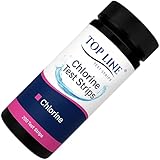 Chlorine test strips, 0 to 500 ppmHigh-range strips to confirm a well shock reached its target and, later, that the chlorine is gone.Details at Amazon ›
Both are here on the strength of what their makers state about range and contents, weighed against the patterns that surface again and again in owner reviews. I have not compared either with a certified lab result, and neither measures hydrogen sulfide itself: the kit screens the other questions worth asking, and the strips confirm a shock reached strength.
Then work up from the simplest fix:
- Shock chlorination. If bacteria are the source, a shock of the well and plumbing knocks back both sulfate-reducing and iron bacteria. Our walkthrough of how to shock a well covers the steps, and the well shock chlorination calculator works out the bleach from your casing size, water depth and bleach strength. Expect the smell to return within weeks or months if the bacteria are well established. If it keeps coming back, repeat shocks become routine upkeep, or a sign to move to one of the steps below.
- Aeration. Bubbling air through the water strips the gas out. Aeration systems use a vented tank, release the gas outdoors and usually need a second pump to restore pressure. They suit water where hydrogen sulfide is the main problem.
- Oxidizing filters. These convert dissolved hydrogen sulfide into particles of sulfur and trap them, and they deal with iron and manganese at the same time. Types include manganese greensand, air-injection units and catalytic carbon. All need regular backwashing or regeneration.
- Continuous chlorination or peroxide feed. For strong sulfur water, a small pump feeds chlorine or hydrogen peroxide into the line, a holding tank gives it time to react, and a carbon filter takes out what is left. It is the most equipment and the most upkeep.
- Activated carbon alone. A carbon filter can handle a faint odor, but it fills up quickly when the smell is strong.
Match the step to the strength and the chemistry, and get more than one quote for anything beyond a shock. A water treatment dealer who recommends equipment without asking for a lab result is guessing.
Is hydrogen sulfide in well water dangerous?
At the levels that make tap water smell, public health and extension sources generally treat hydrogen sulfide as an aesthetic problem rather than a health one. Your nose detects it at concentrations far lower than those that cause harm in drinking water. It does corrode copper and brass, blacken silverware, stain sinks and spoil the taste of coffee and tea.
The real hazard is the gas in an enclosed space. A closed well pit, a small pump house or a treatment tank can collect enough to be dangerous, and at high concentrations the gas deadens your sense of smell, so the warning fades just when you need it. Never climb down into a well pit to look.
Also take note if the smell changes character. Sewage, gasoline or chemical odors are a different matter from sulfur: stop drinking the water, get a lab test and contact your county health department, which usually keeps a list of certified labs and knows what turns up in local wells.
Questions
Why does only my hot water smell like rotten eggs?
The water heater is the likely source. Its magnesium anode rod reacts with sulfate in the water, and bacteria in the warm tank speed things along. Swapping to an aluminum and zinc alloy anode or a powered anode usually solves it.
Will a water softener remove the sulfur smell?
No. A softener swaps calcium and magnesium for sodium or potassium and does not remove hydrogen sulfide. Its resin bed can even host the bacteria that make the gas, which is why the smell sometimes shows up only in softened water.
Why does the smell come and go?
Bacterial activity varies with temperature and water use, and gas builds up in water that sits still overnight or while you are away. Seasonal changes in the water table can shift it too. Keeping notes on when it is worst helps a contractor or lab narrow down the source.
Is it safe to shower in water that smells like sulfur?
In a ventilated bathroom, the levels that make tap water smell are generally treated as a nuisance rather than a hazard. Run the exhaust fan, and if the smell is overpowering, get the water tested before you live with it.