· Water & Rivers
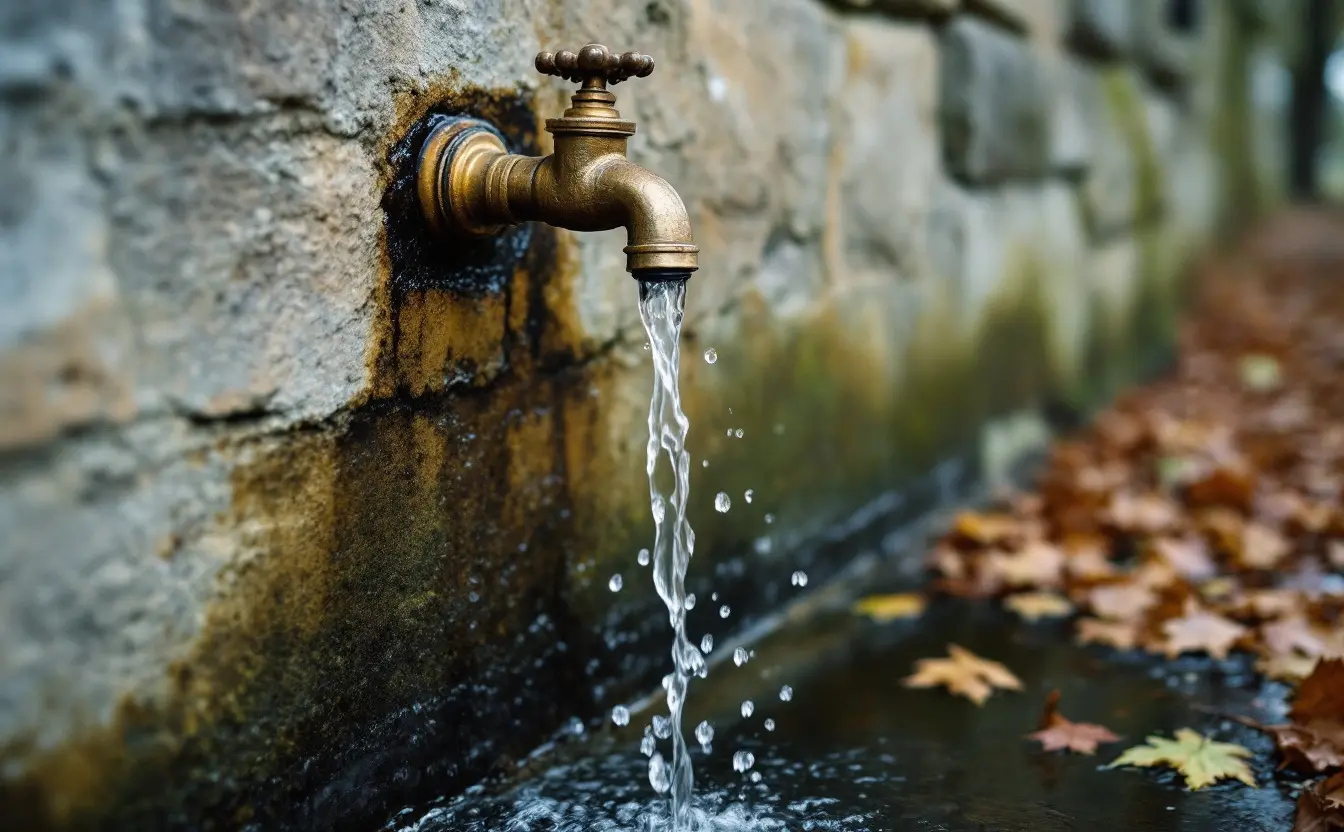
Well water smells like rotten eggs? Find the source, then fix it
Rotten-egg well water is hydrogen sulfide. Smell hot and cold taps to find the source, then fix it with an anode swap, a well shock or an oxidizing filter.

Maren trained in freshwater ecology and spent years kick-netting riffles and logging dissolved oxygen for a university stream lab. She writes about rivers, water quality and the insects that tell you how a creek is doing.
· Water & Rivers
Rotten-egg well water is hydrogen sulfide. Smell hot and cold taps to find the source, then fix it with an anode swap, a well shock or an oxidizing filter.
· Water & Rivers
Autumn leaves that fall into a creek feed a whole food web. How leaf packs form, who eats them, why the tree species matters, and how to look inside one.
· Water & Rivers
To shock a well, mix plain bleach into the standing water to 50 to 200 ppm, draw it to every tap, wait 12 to 24 hours, flush it out and retest for bacteria.
· Water & Rivers
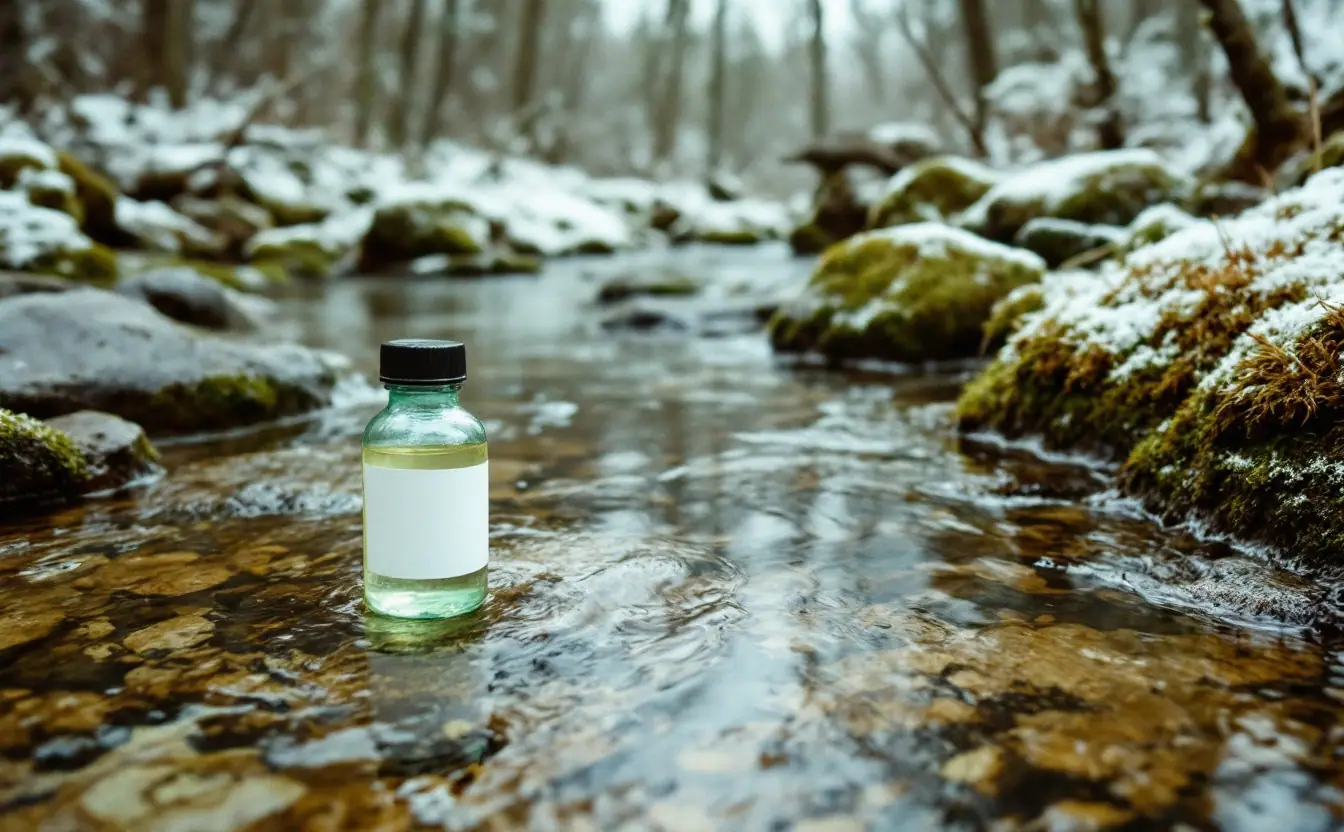
The best well water test kit is a pairing: a home screen for quick checks and a certified lab for bacteria, nitrate, arsenic and lead. Here is how to choose.
· Water & Rivers
Why summer rivers grow green mats, how to tell plain algae from toxic cyanobacteria and golden algae, and what the signs mean for swimmers, dogs and anglers.
· Water & Rivers
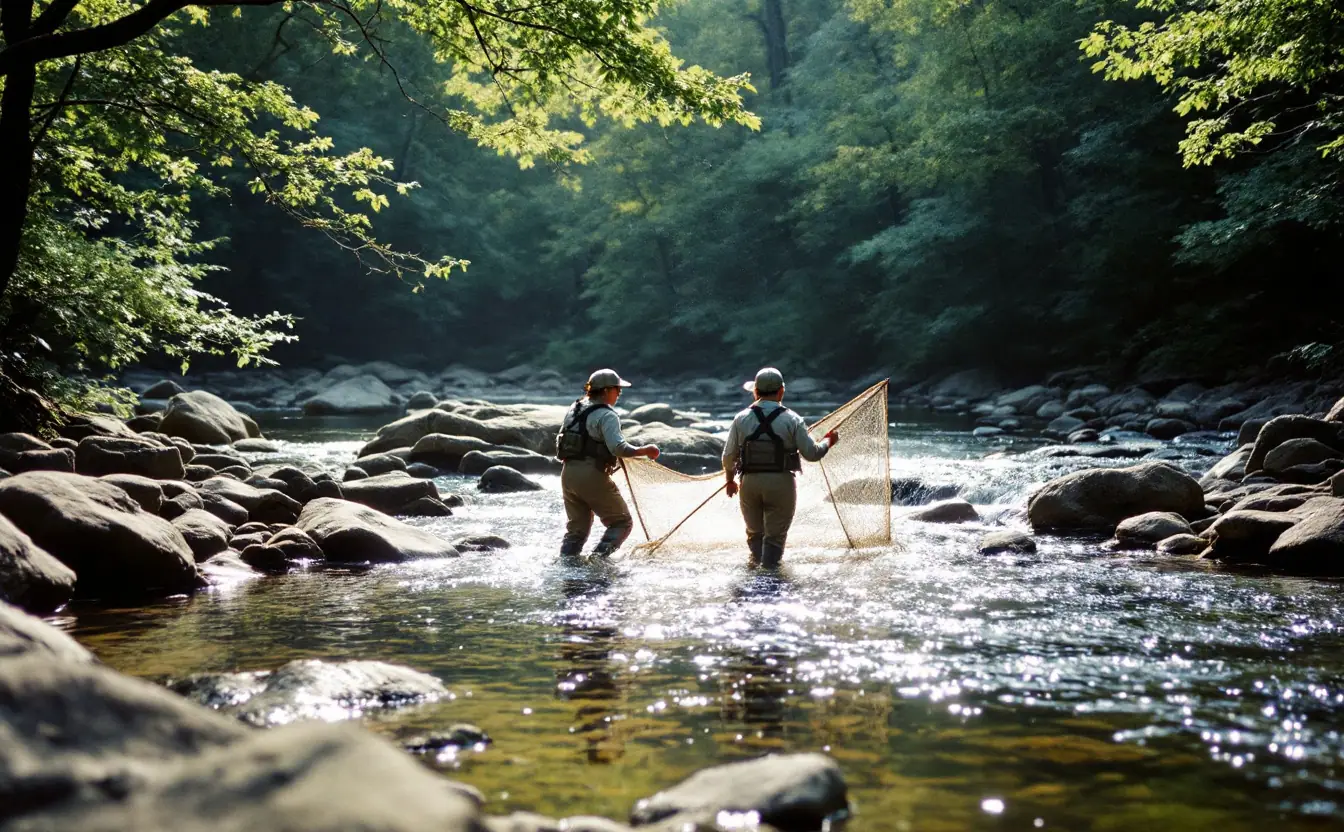
How volunteer stream monitoring works, how to find a group, and a first sampling day step by step: chemistry, kick nets, bug sorting, safety and clean gear.
· Water & Rivers
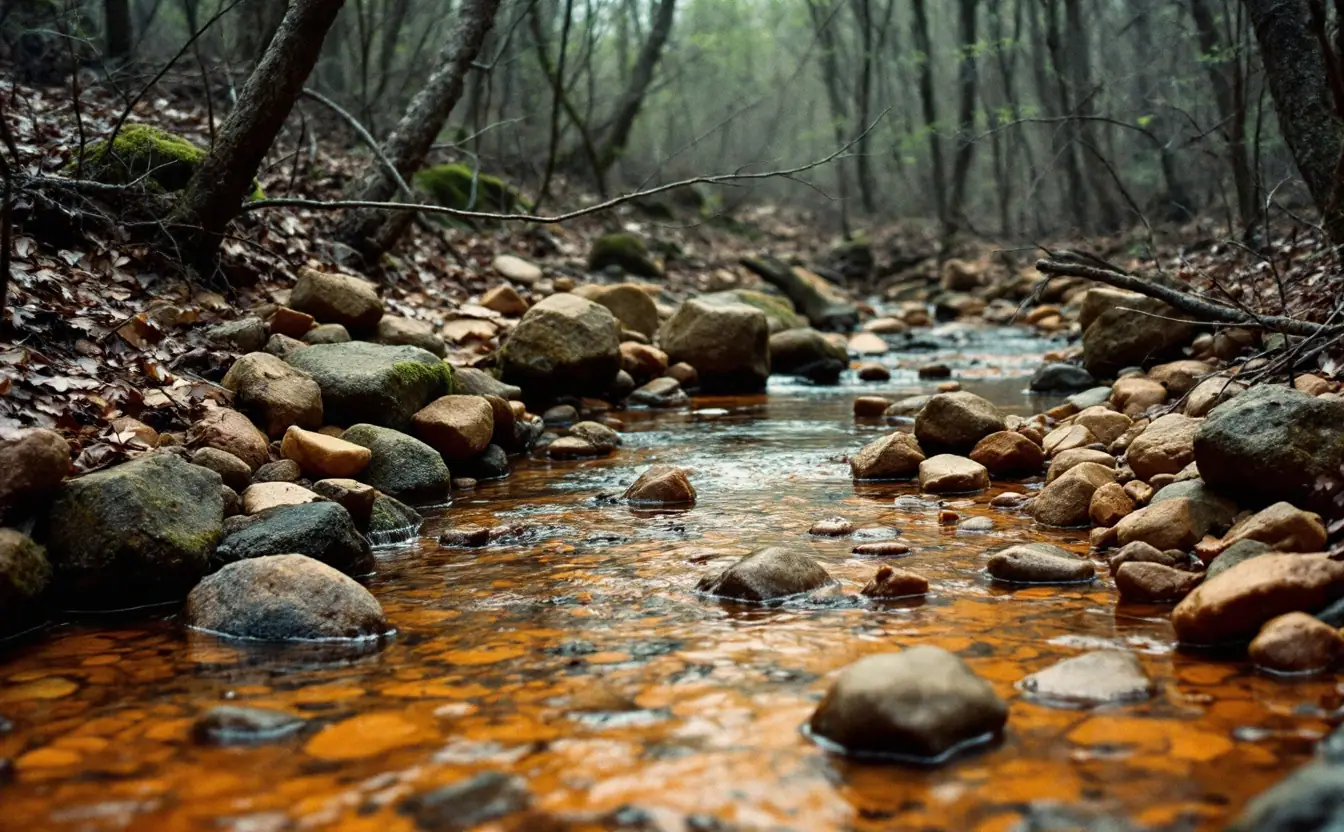
Why creeks below old coal and metal mines run orange, how pyrite turns water acidic, what that does to stream life, and how treatment brings creeks back.
· Water & Rivers
A freshwater ecologist walks through a stream water quality report line by line: units, qualifiers, standards, and what each number can and can't tell you.