· Outdoor Recreation
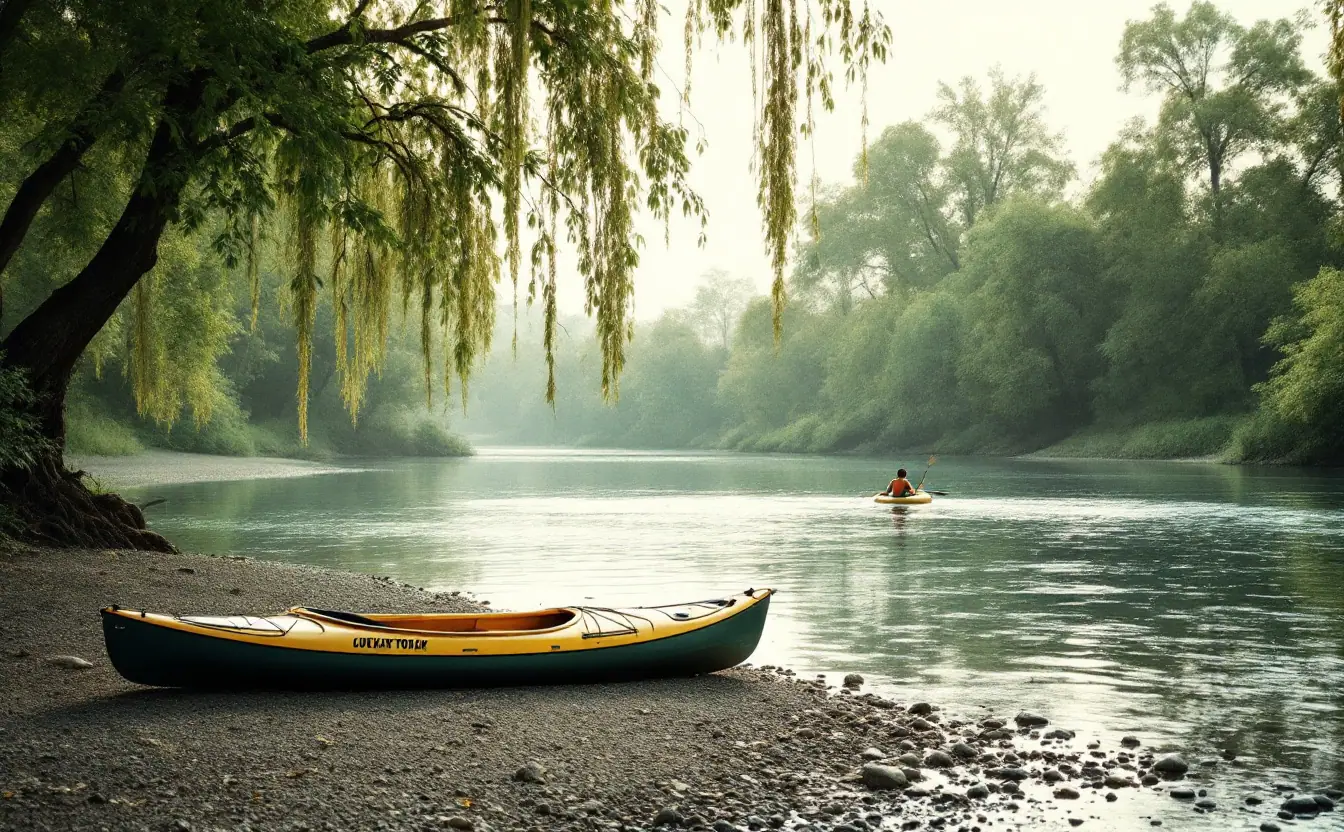
Paddling small rivers: how to read a stream gauge before you go
Stage, flow, trend and lag time: a step-by-step way to read a stream gauge and tell whether a small river is too low, about right or too high to paddle today.
Every piece we have published, newest first: field notes, explainers and practical guides on water, air, wildlife and life outdoors. 33 pieces so far.
· Outdoor Recreation
Stage, flow, trend and lag time: a step-by-step way to read a stream gauge and tell whether a small river is too low, about right or too high to paddle today.
· Conservation & Wildlife
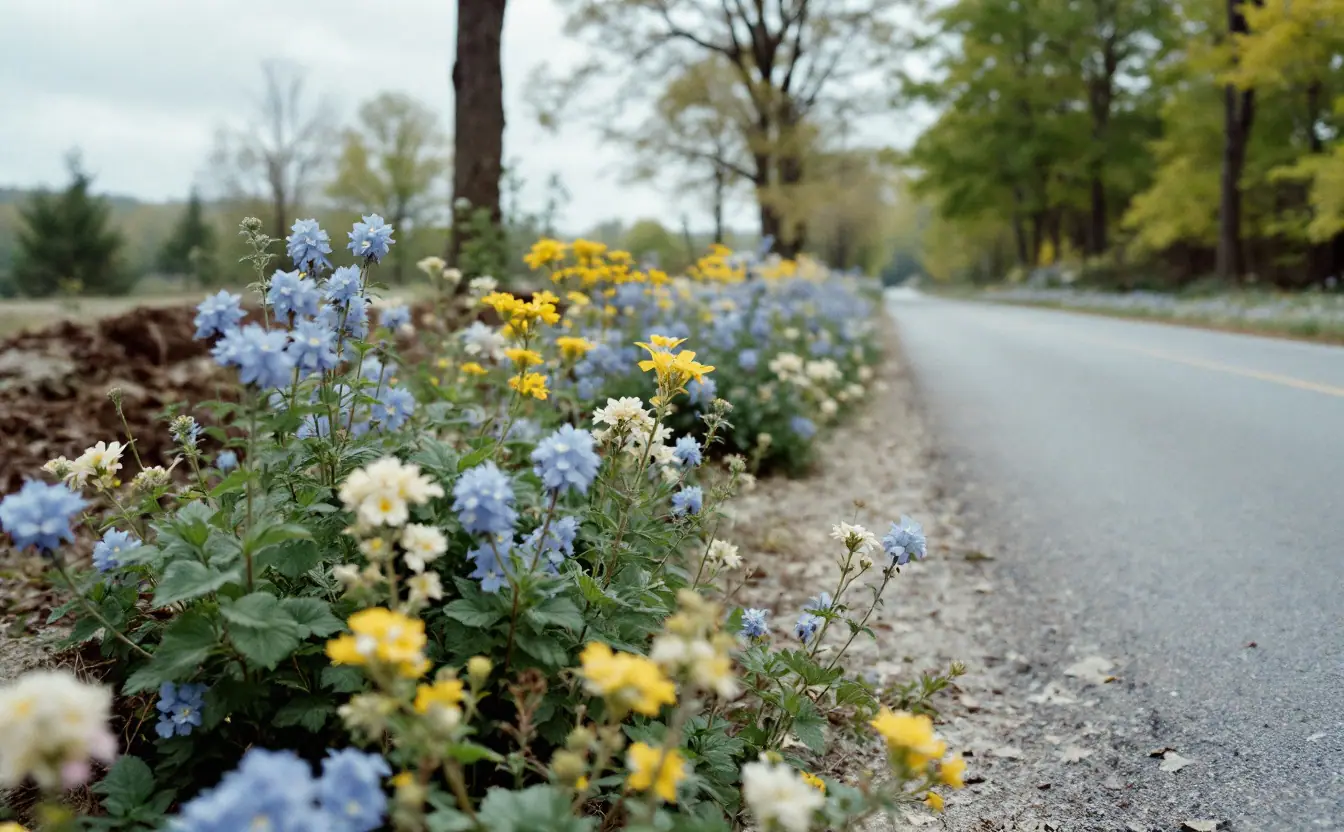
Coltsfoot, redbud, bluebonnets and dame's rocket: a guide to spring roadside flowers, where each grows, when it blooms and how to tell the look-alikes apart.
· Air & Climate
Radon is invisible, odorless and common in basements across the country. How home tests work, how to read a result, and what a mitigation system really does.
· Conservation & Wildlife
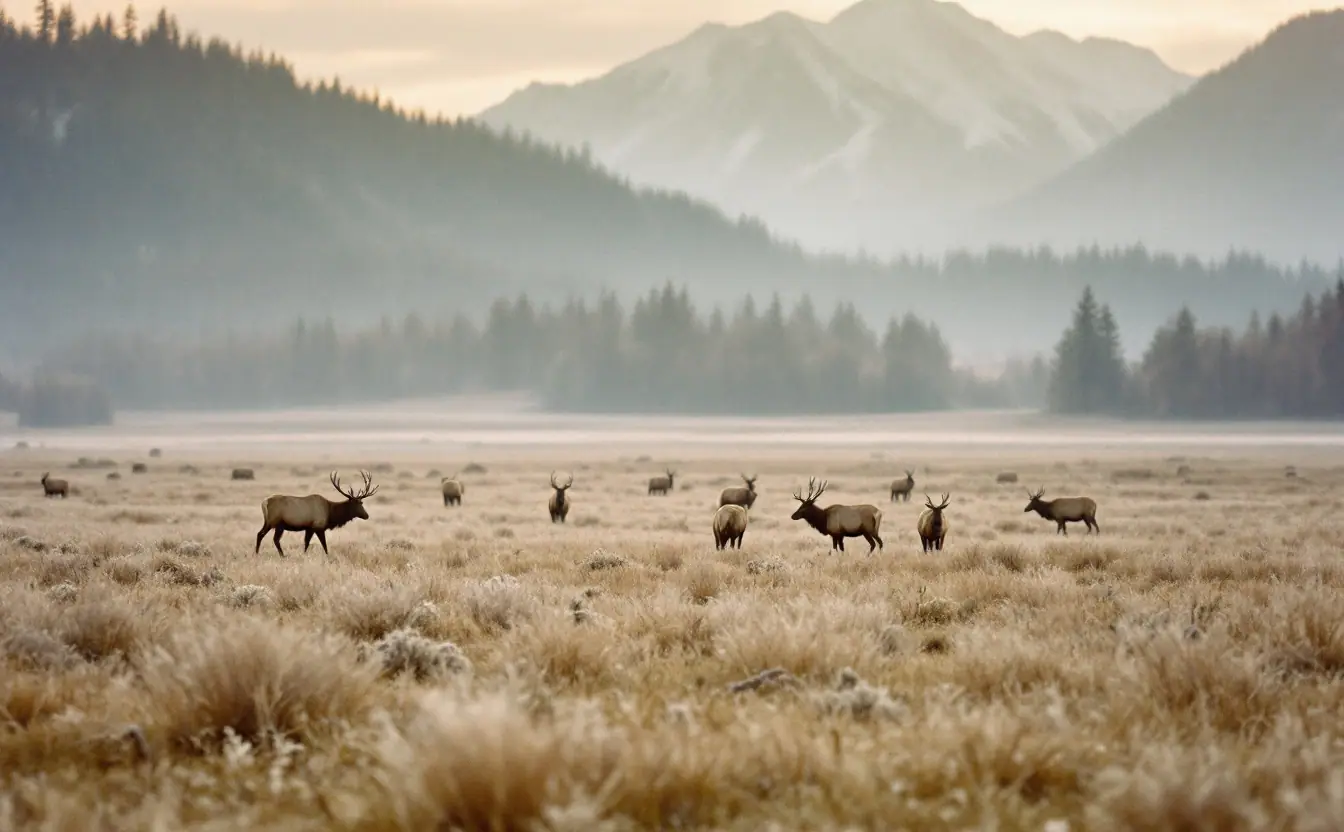
Old surface mines from Kentucky to Wyoming have turned into grasslands for elk, owls and rare sparrows. How it happened, what it cost, and how to visit well.
· Outdoor Recreation
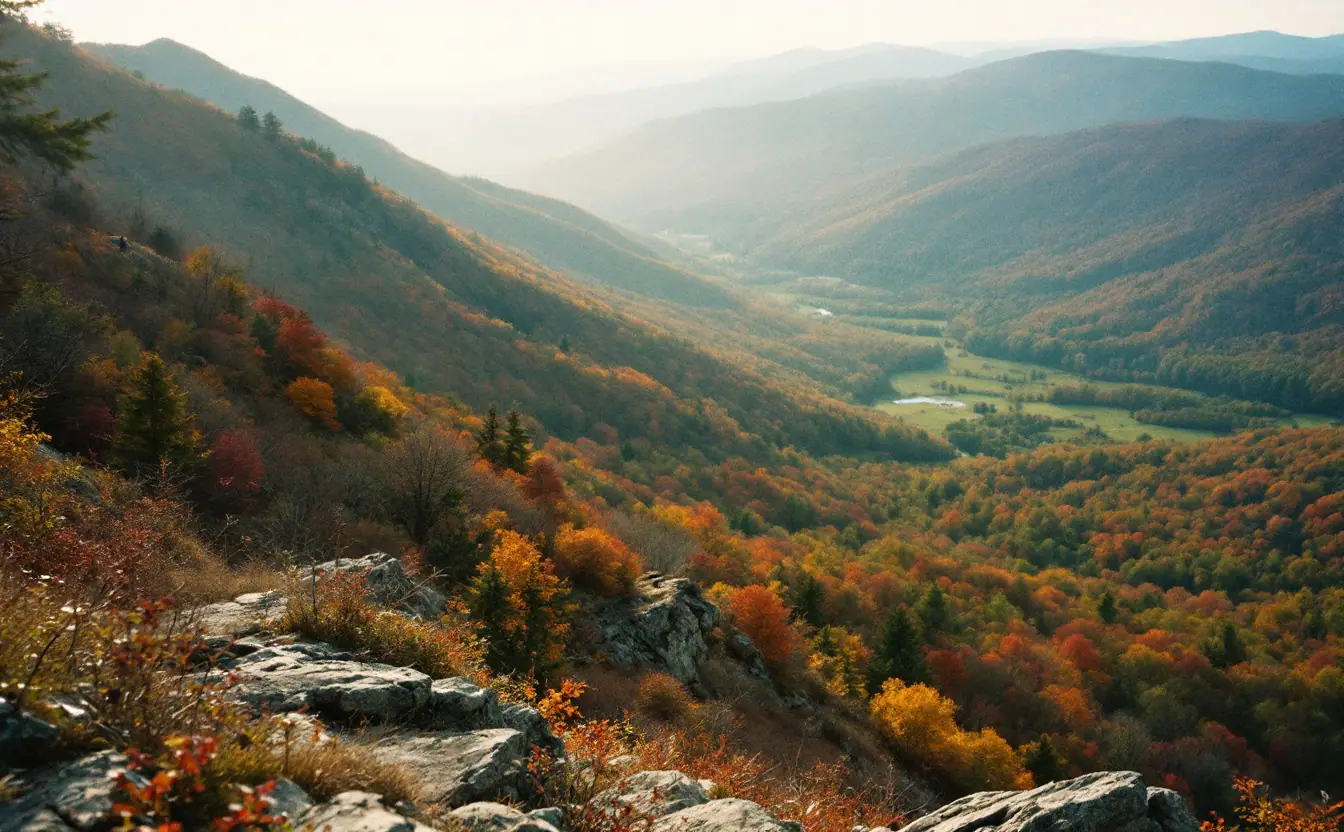
Fall color starts on high ridges and works downhill for weeks. Here is why, what turns at each elevation, and how to plan a color chase on short autumn days.
· Water & Rivers
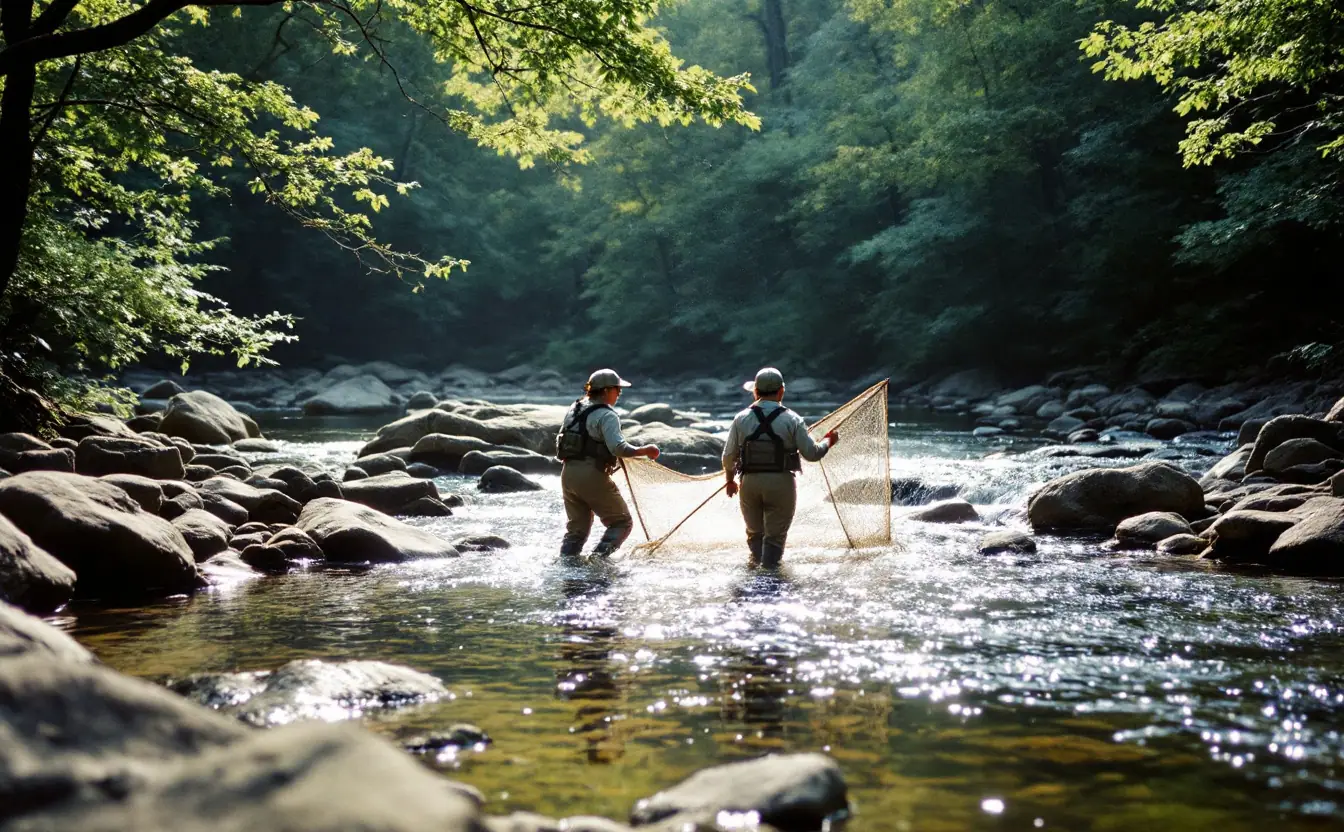
How volunteer stream monitoring works, how to find a group, and a first sampling day step by step: chemistry, kick nets, bug sorting, safety and clean gear.
· Air & Climate
What the Air Quality Index's six colors mean, why smoke drives the number, why two apps disagree, and how to keep indoor air clean when wildfire haze arrives.
· Water & Rivers
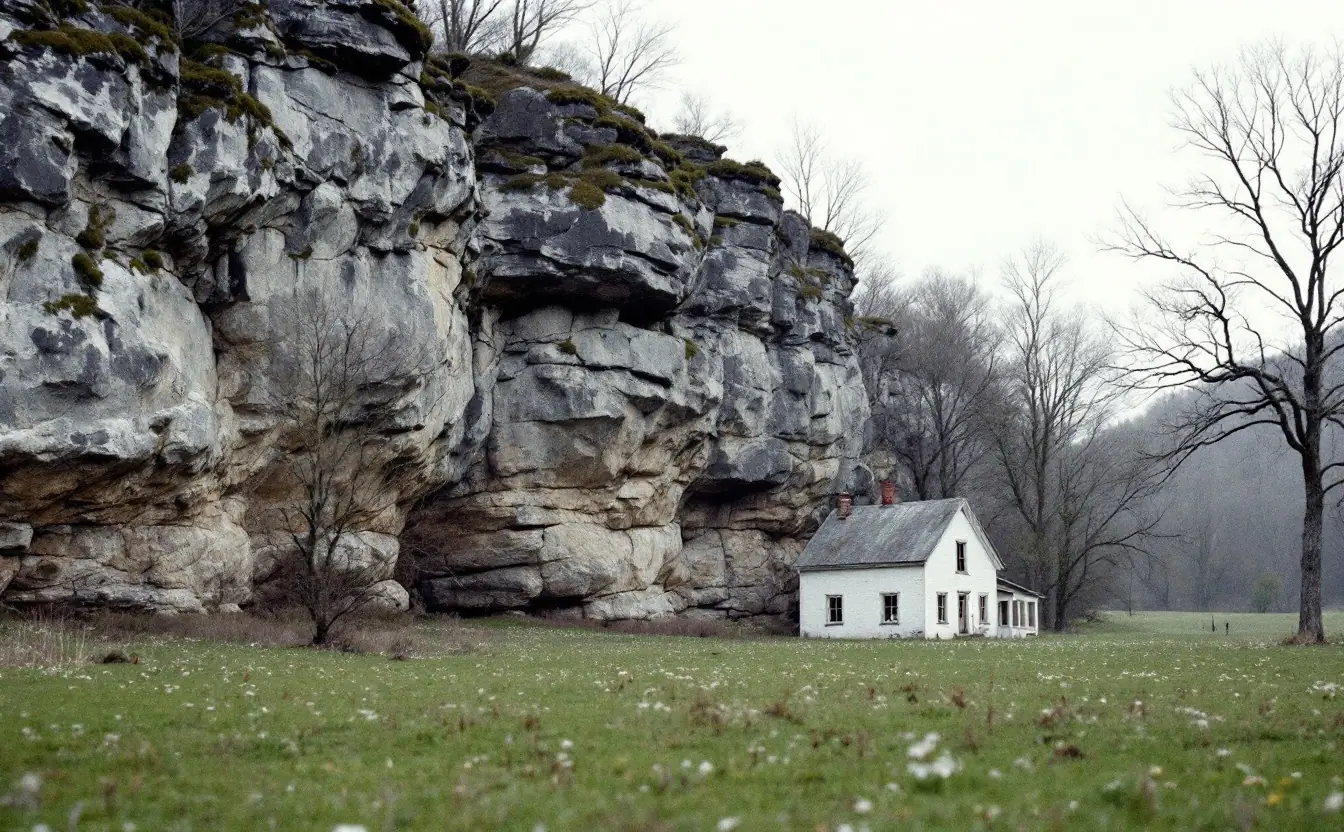
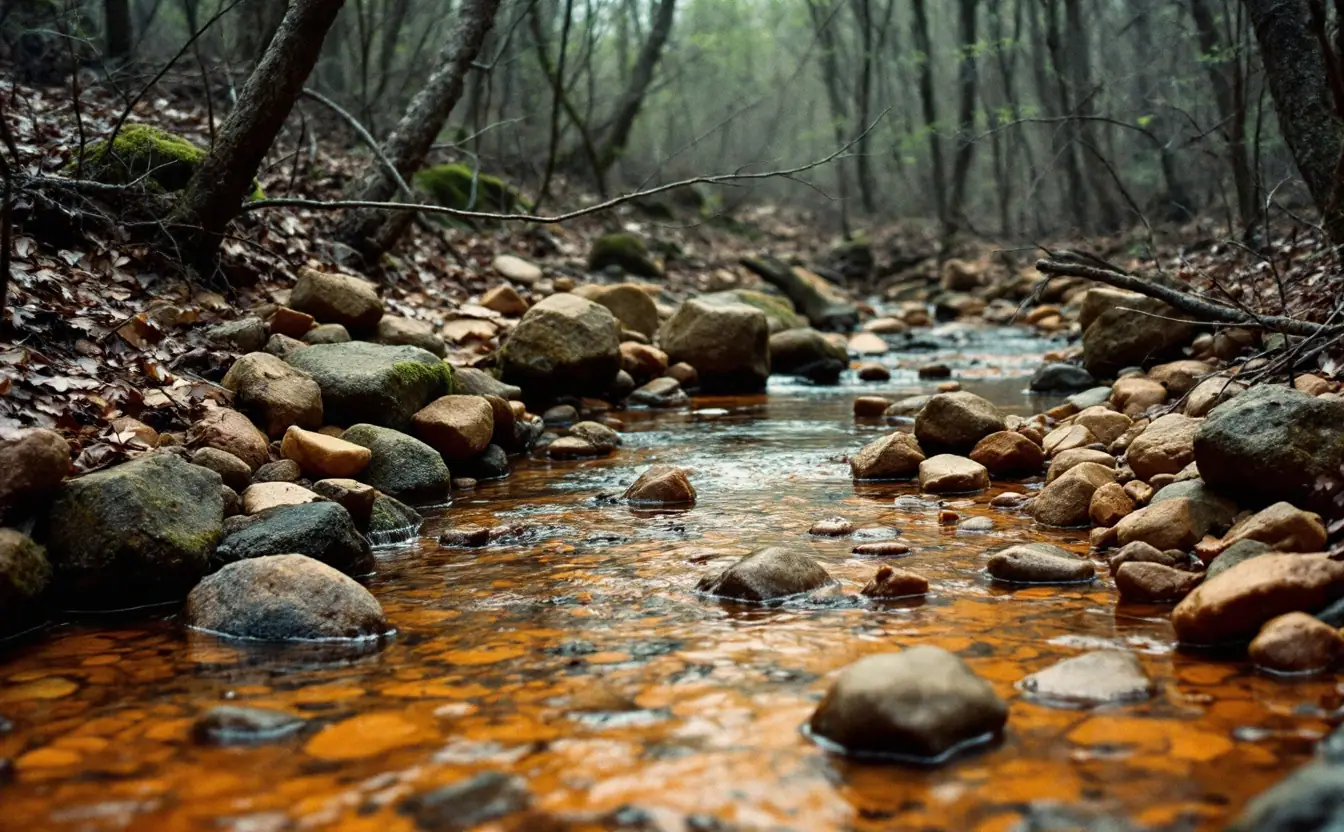
Why creeks below old coal and metal mines run orange, how pyrite turns water acidic, what that does to stream life, and how treatment brings creeks back.
· Water & Rivers
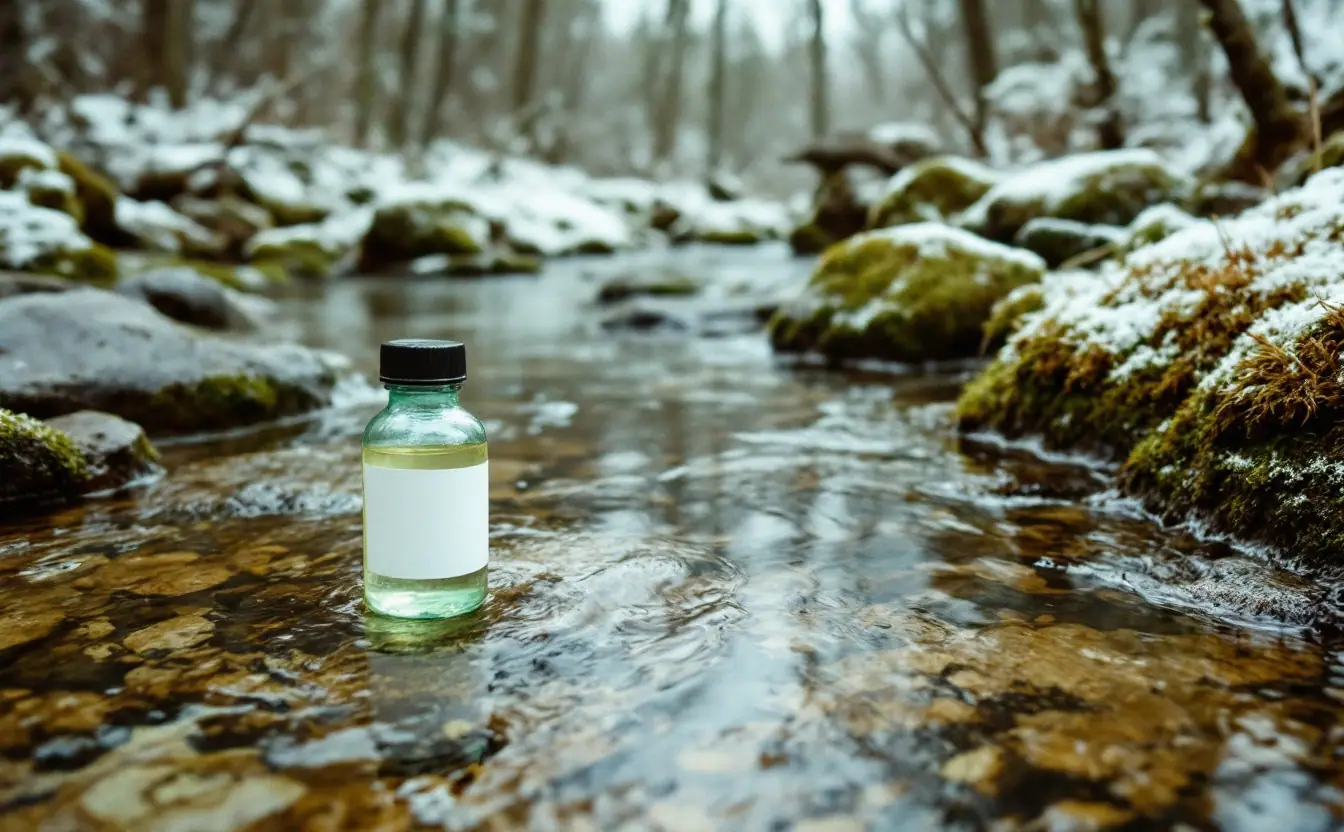
A freshwater ecologist walks through a stream water quality report line by line: units, qualifiers, standards, and what each number can and can't tell you.