· Water & Rivers
How to shock a well: bleach amounts, contact time and flushing
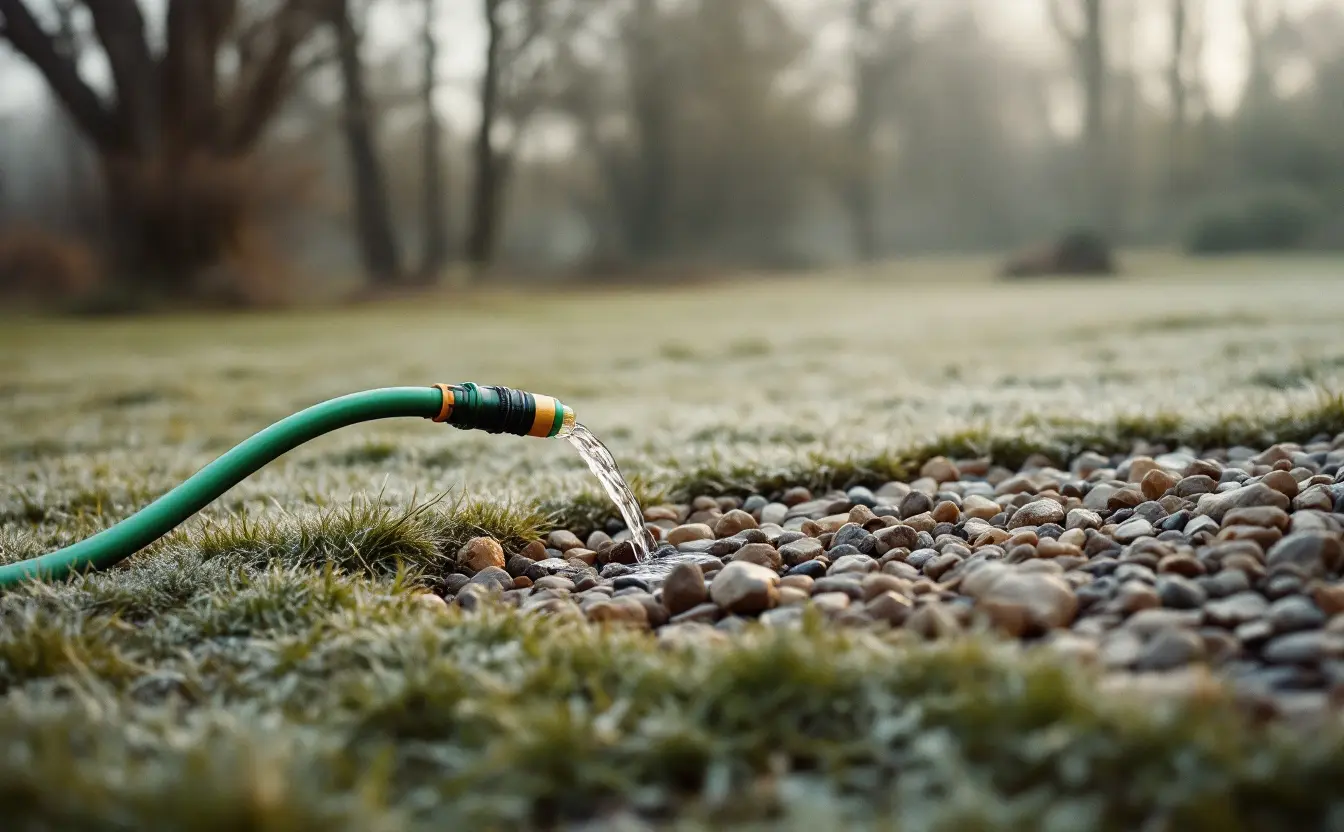
To shock a well, mix plain bleach into the standing water to 50 to 200 ppm, draw it to every tap, wait 12 to 24 hours, flush it out and retest for bacteria.
Every piece we have published, newest first: field notes, explainers and practical guides on water, air, wildlife and life outdoors. 33 pieces so far.
· Water & Rivers
To shock a well, mix plain bleach into the standing water to 50 to 200 ppm, draw it to every tap, wait 12 to 24 hours, flush it out and retest for bacteria.
· Water & Rivers
The best well water test kit is a pairing: a home screen for quick checks and a certified lab for bacteria, nitrate, arsenic and lead. Here is how to choose.
· Sustainable Living
Seasoned firewood reads under 20% on a pin meter at a fresh split face. Without one, look for cracked grey ends, loose bark, light weight and a hollow knock.
· Air & Climate
The best radon detector depends on the question: a charcoal kit for a quick lab result, alpha-track for a yearly average, a monitor for watching changes.
· Air & Climate
Why steep, narrow valleys turn heavy rain into sudden floods: stalled storms, thin soils, fast runoff, the forecast terms to know and how to stay safe.
· Community & Lifestyle
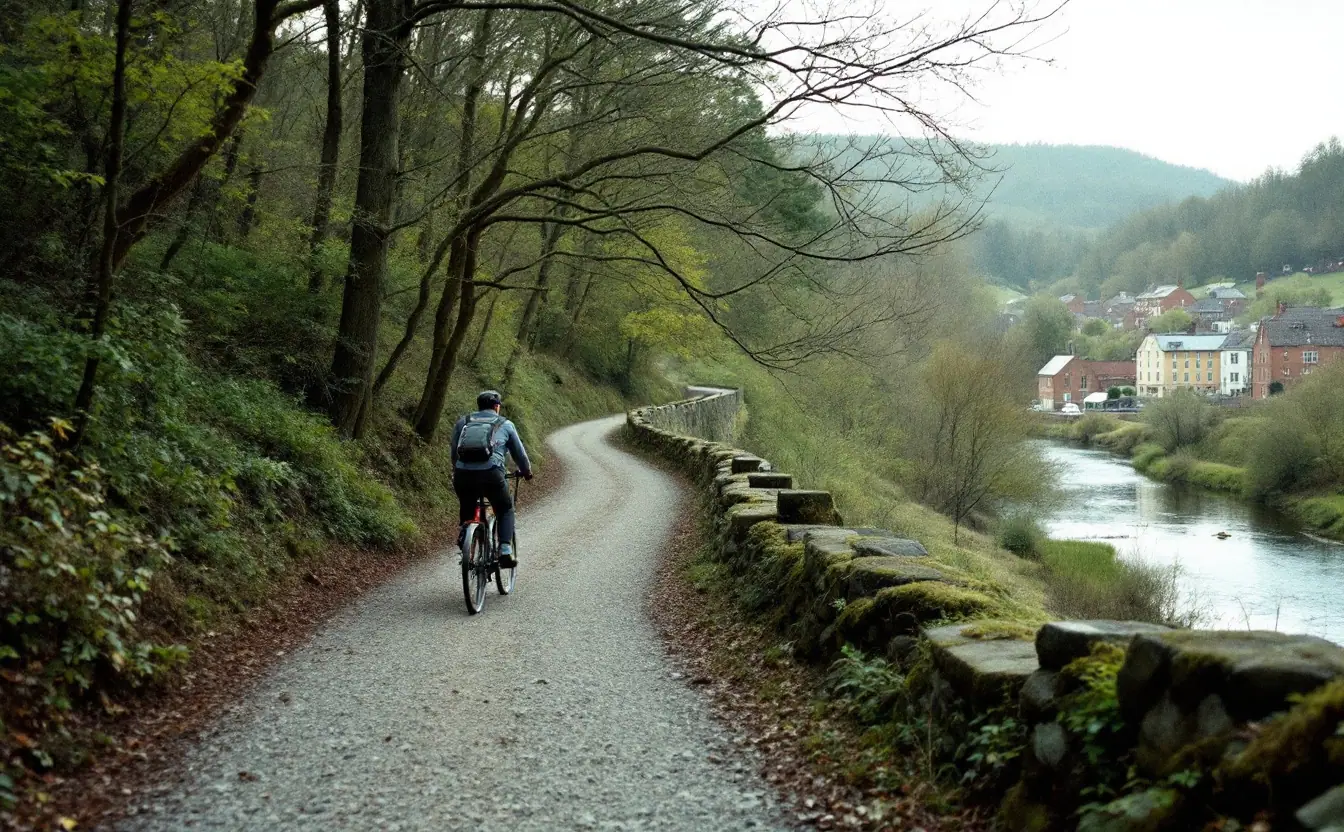
How abandoned railroad lines became trails, why some trail towns thrive while others stall, and a practical checklist for riding a long rail-trail well.
· Community & Lifestyle
What makes a lot a brownfield, how site assessments and risk-based cleanups work, what old sites become, and the questions neighbors can ask along the way.
· Sustainable Living
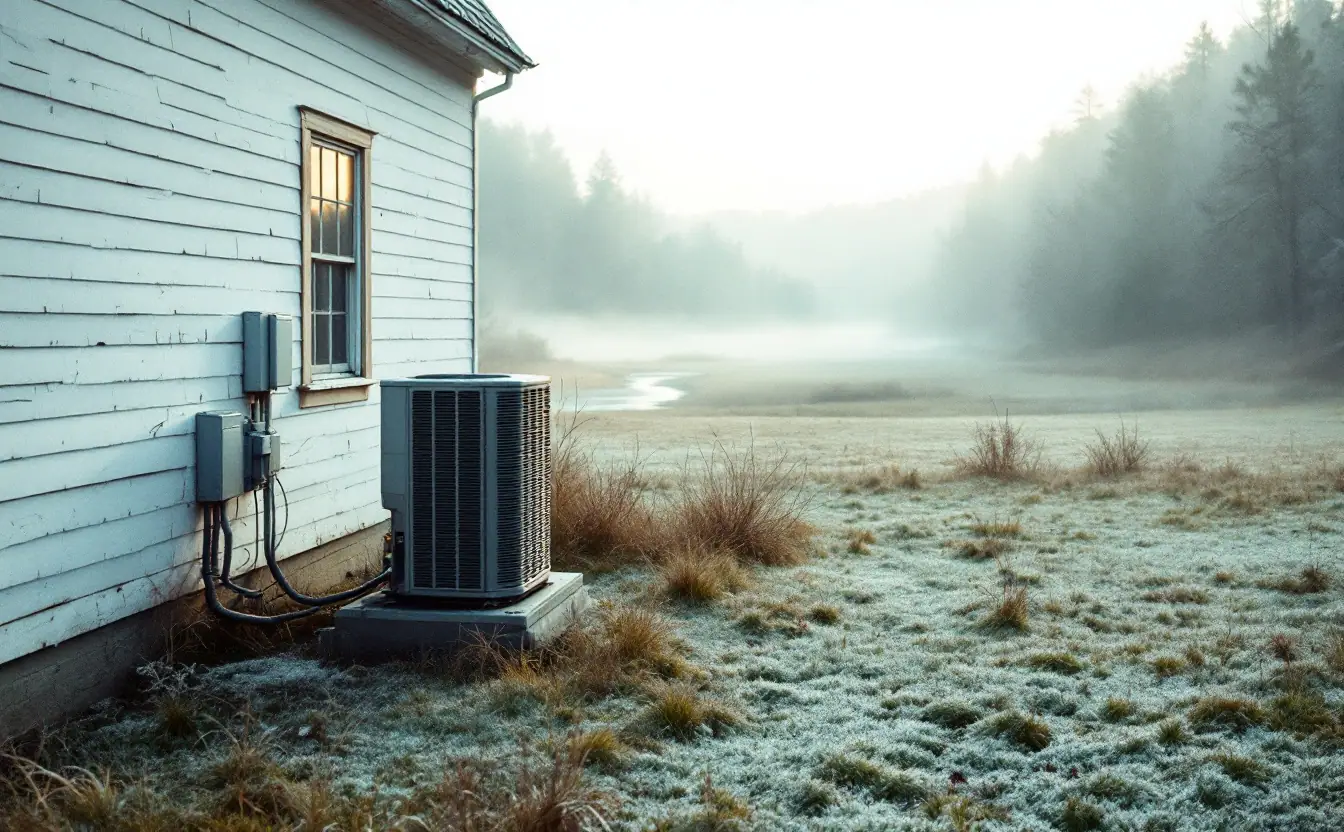
Cold-climate heat pumps can heat a house in a frosty valley. Here's how they work, what COP means, and how to site, size and back one up in the mountains.
· Sustainable Living
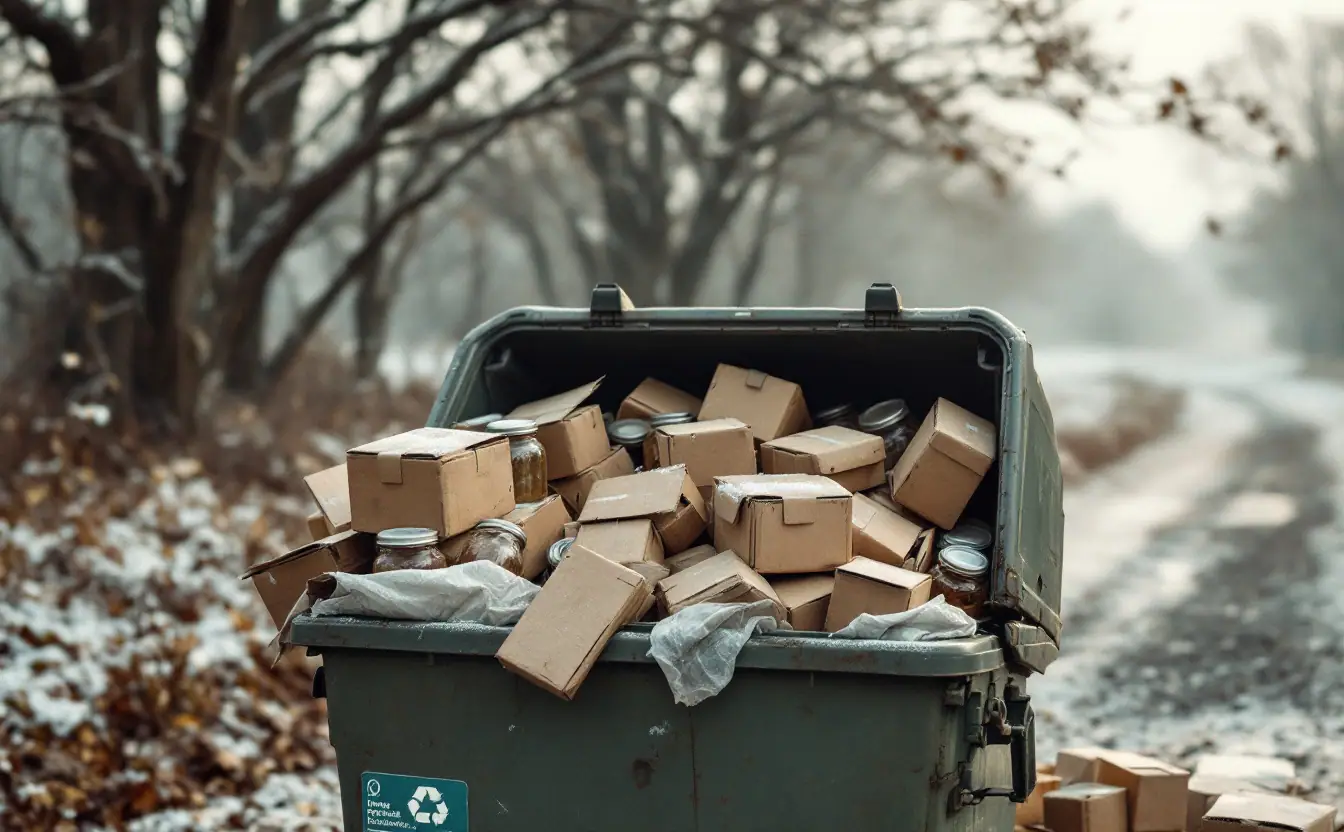
Follow a bin of cans, boxes and bottles from the curb through the sorting plant to new products, and learn which habits keep your load out of the landfill.
· Conservation & Wildlife
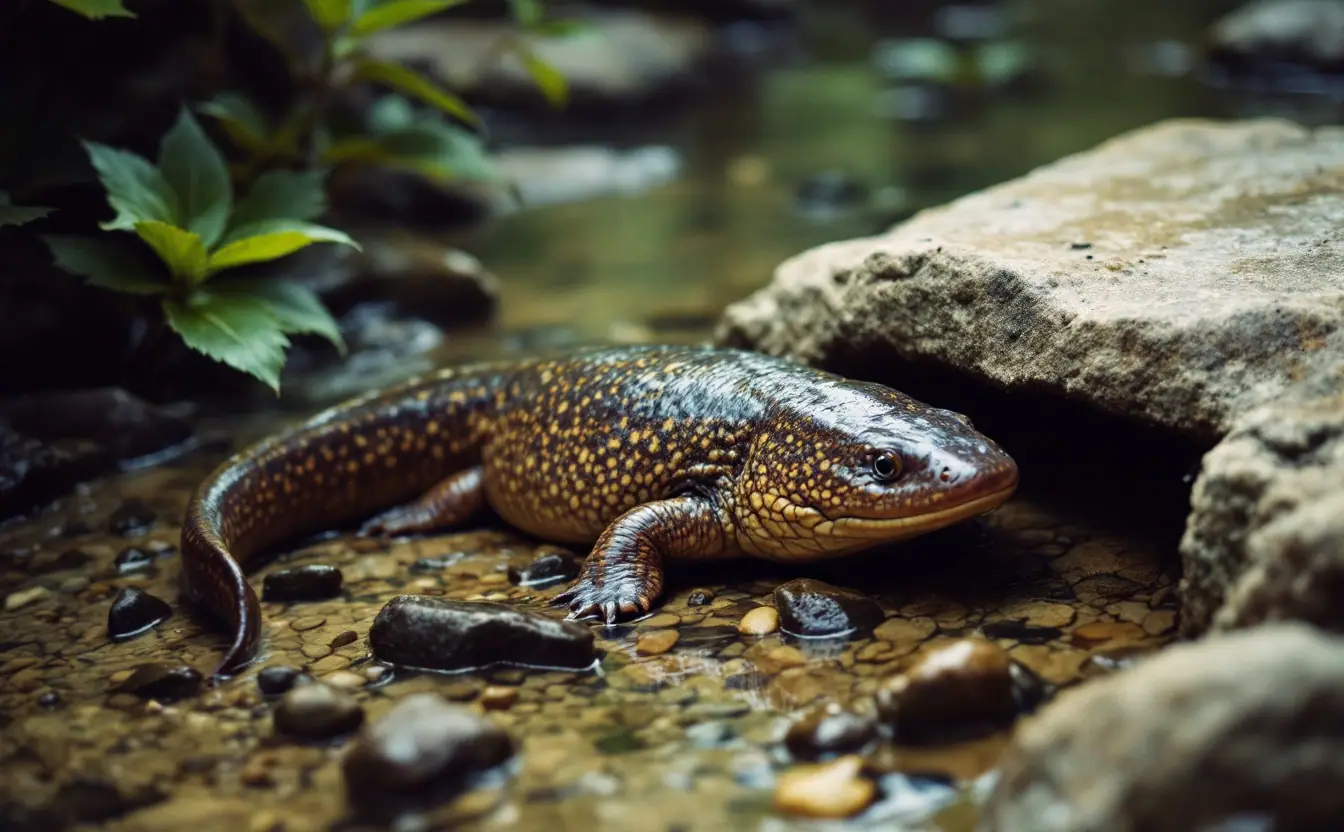
Meet the hellbender, North America's largest salamander, and its big relatives: how to tell them apart, how they live, and why they need clean water.
· Water & Rivers
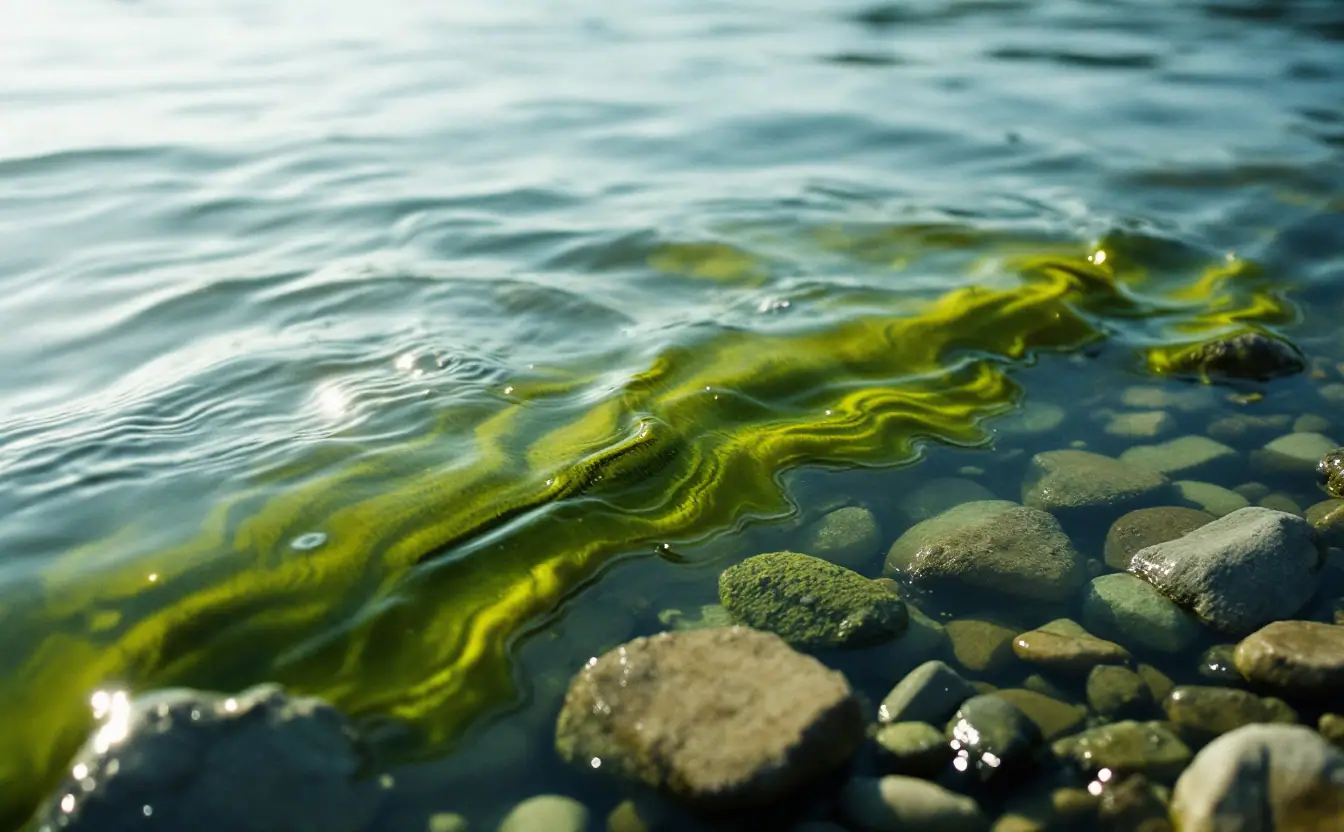
Why summer rivers grow green mats, how to tell plain algae from toxic cyanobacteria and golden algae, and what the signs mean for swimmers, dogs and anglers.
· Sustainable Living
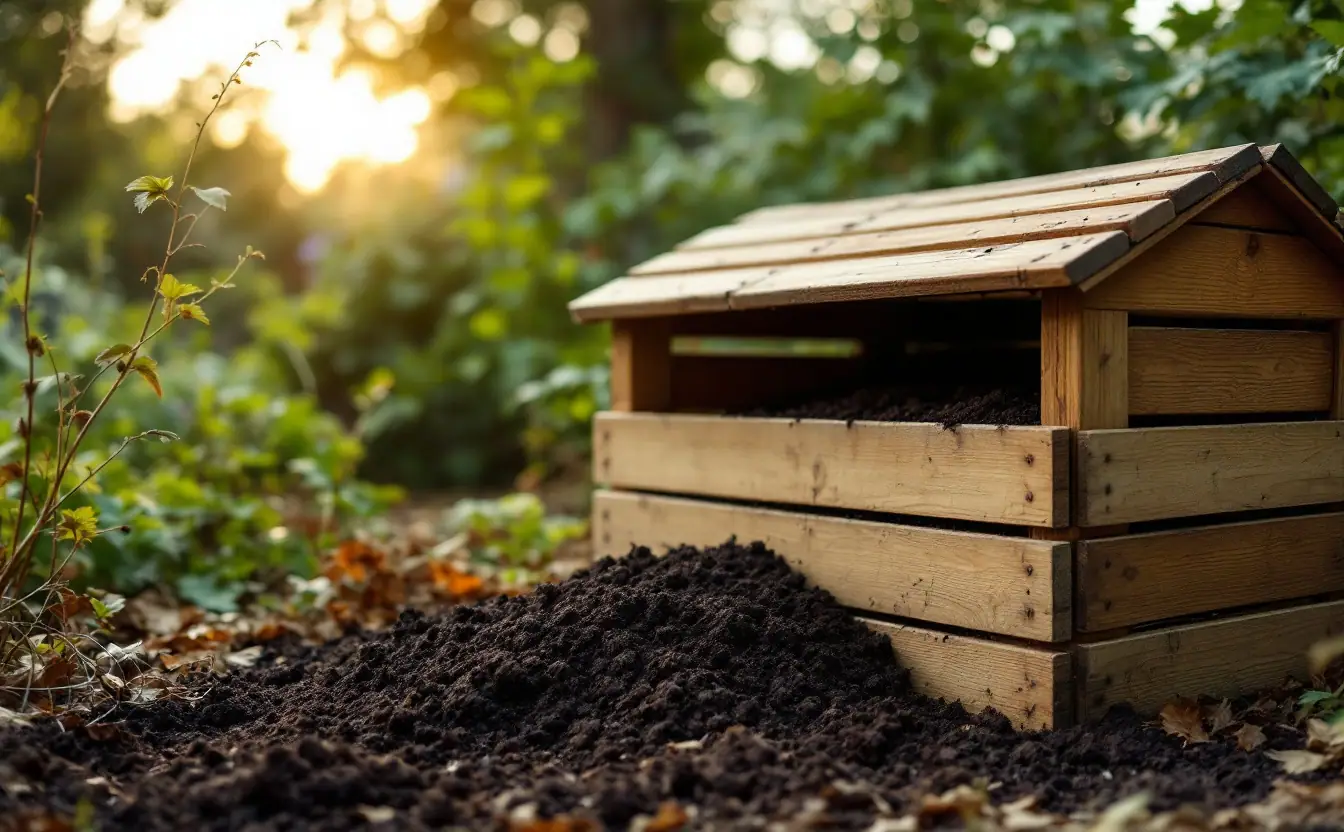
A healthy compost pile smells like damp soil. Ammonia, rotten eggs and sour vinegar each point to a specific problem, and most can be fixed in one afternoon.