Wood smoke and indoor air: how to burn cleaner through the winter
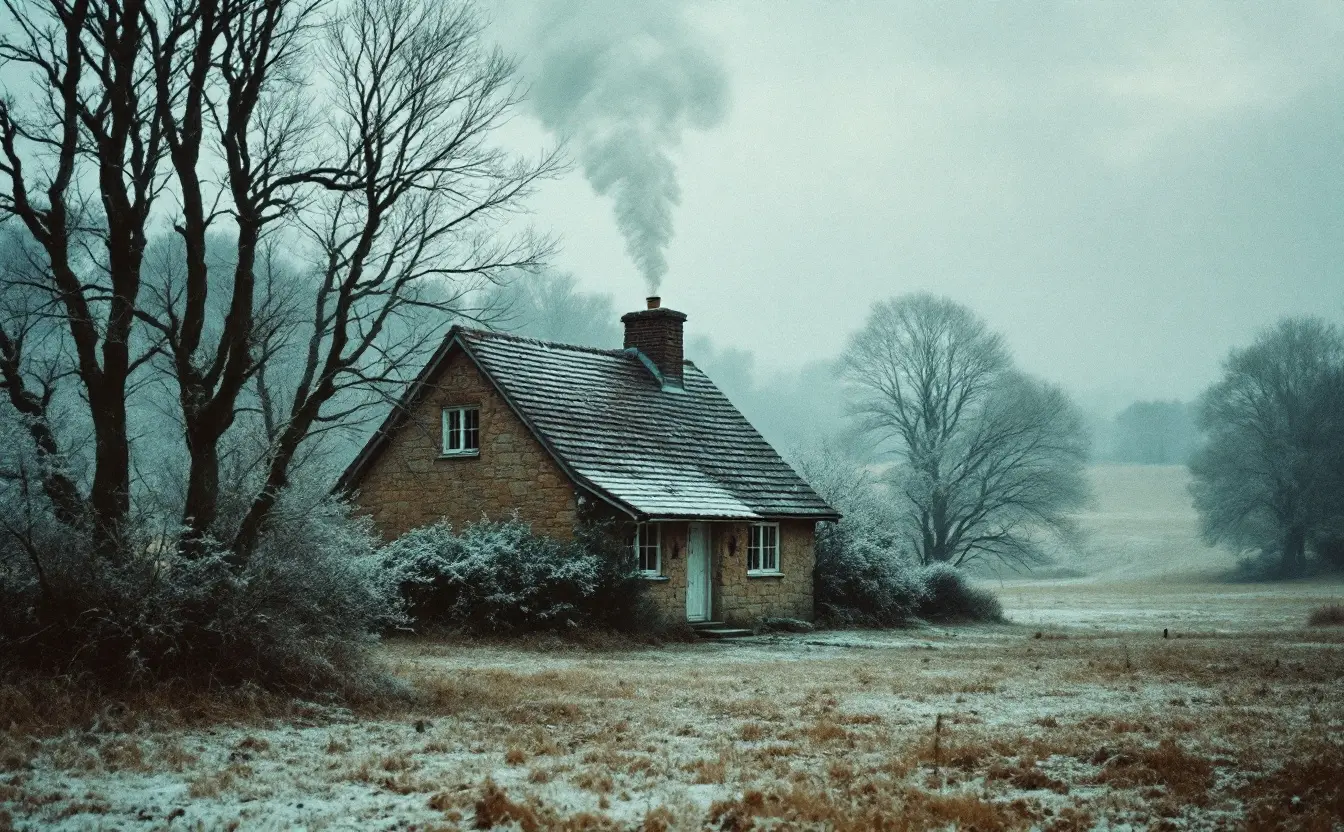
The first cold snap of November does something predictable to the air in a lot of small towns. Around suppertime, chimneys start up one after another, and by nine o'clock the low end of the valley smells like a campfire. Some of that is a pleasant smell. Some of it is a measurable cloud of fine particles that settles into streets and, quite often, back into the houses that made it.
I like a wood fire as much as anyone, and plenty of rural households heat with wood because it's local, it's affordable, and it keeps working when the power doesn't. The good news is that most wood smoke comes from a handful of fixable habits. A dry load in a decent stove, burned hot, makes a fraction of the smoke of a damp load smoldering overnight. Here are the questions I hear most, answered as plainly as I can.
What's actually in the smoke
Wood smoke is a mix of gases and particles. The particles that matter most for health are PM2.5, the fine ones 2.5 micrometers across or smaller, the same particles that drive the Air Quality Index on wildfire days. Our explainer on what the AQI means on a smoky day covers why those tiny particles get so much attention. Wood smoke also carries carbon monoxide and a long list of organic compounds, including some that are irritants and some, such as benzene and formaldehyde, that are known health hazards with long exposure.
In plenty of valley towns, home heating with wood is one of the biggest sources of fine particles on winter nights. Cold, calm evenings make it worse, because the air near the ground can't rise and mix, so the smoke pools exactly where people live.
About these links: some go to partner shops and may earn us a commission.
The questions
Is a wood stove bad for the air inside my house?
It doesn't have to be. A well-installed stove with a sound chimney draws its smoke up and out. Indoor smoke usually comes from specific moments: opening the door to reload while the fire is still smoky, a chimney that hasn't warmed up enough to draw, a cold flue in a house with strong exhaust fans running, ash removal, or a gasket that's gone flat and leaky. Open fireplaces are a bigger problem, because they spill smoke more easily and often pull more warm room air up the chimney than they return as heat.
What does "seasoned" firewood really mean?
It means wood that has dried enough to burn cleanly. Freshly cut wood can be a third to a half water by weight, and a fire burning wet wood spends much of its energy boiling that water off, running cool and smoky. The U.S. EPA's guidance for wood burners is to burn wood at 20 percent moisture or less.
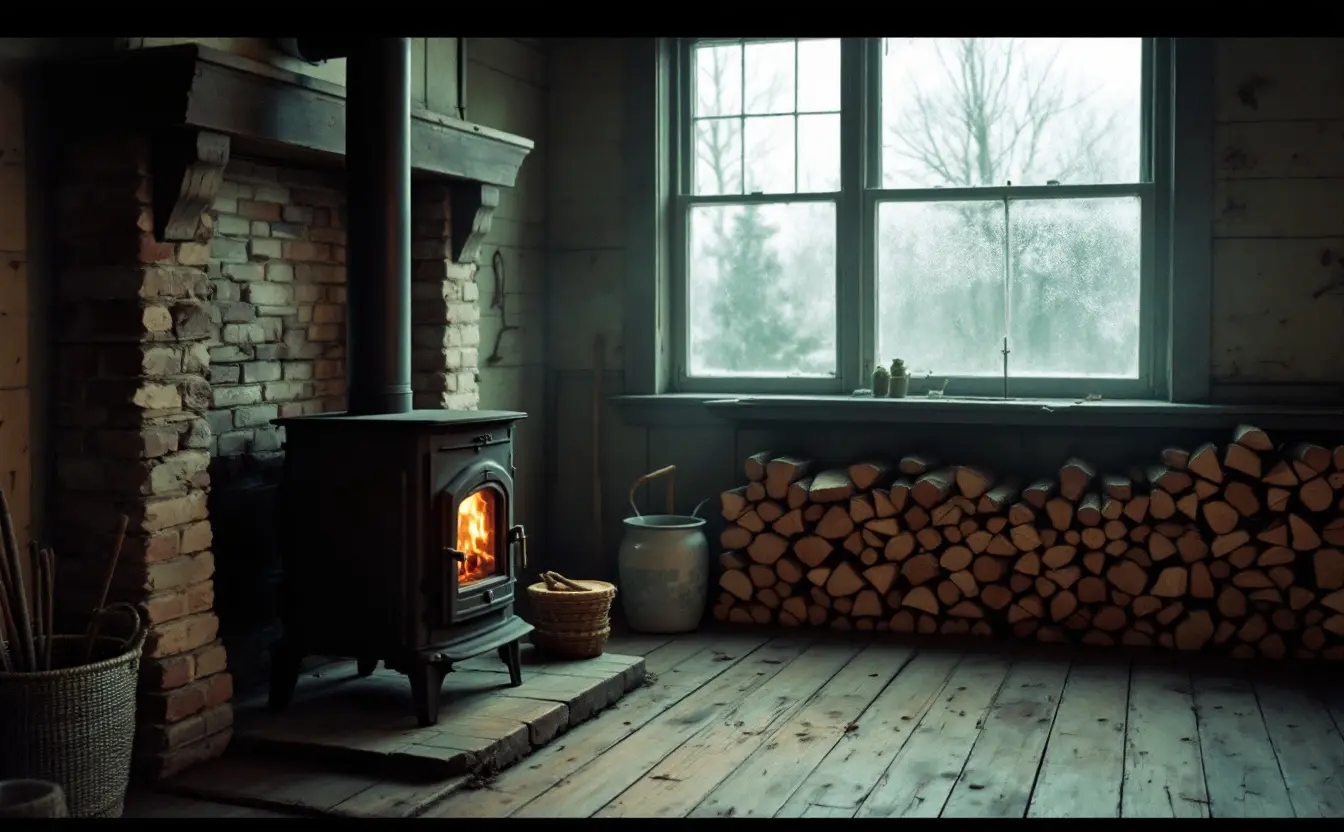
Getting there takes time. Split the wood, since bark holds moisture in and round logs dry painfully slowly. Stack it off the ground in a single row where sun and wind can reach it, cover the top and leave the sides open. Six months is a common minimum for many hardwoods; dense wood like oak often needs a year or more.
How can I tell if my wood is dry enough?
The most reliable way is an inexpensive moisture meter. Split a piece and push the pins into the freshly exposed face, not the end, which dries first and fools you. Without a meter, look for cracks running across the ends, bark that peels away easily, a lighter weight than you'd expect, and a hollow clack when you knock two pieces together. Wet wood hisses, bubbles sap at the ends and is slow to catch. Our guide on how to tell if firewood is seasoned goes through the meter method step by step.
How do I know if I'm burning cleanly?
Go outside and look at the chimney. A hot, efficient fire shows little more than heat shimmer, perhaps with some white steam on a cold morning that vanishes within a few feet of the cap. Thick gray, blue or brownish smoke that hangs around means the wood isn't burning completely. That smoke is unburned fuel: money going up the flue and particles going into the neighborhood.
Should I damp the stove down to make a load last all night?
This is the most common smoky habit there is. Shutting the air way down on a big load makes the fire smolder, and smoldering produces far more smoke and creosote than a fire with enough air. Modern stoves are designed to burn reasonably well at lower settings, so follow your stove's manual. With an older stove, smaller and hotter fires, loaded more often, usually burn cleaner than one big smoldering load.
How should I start a fire?
Many experienced burners use a top-down fire: larger splits on the bottom, smaller ones above, kindling and a fire starter on top. It lights from the top and burns down, heating the flue quickly with less of the smoky start you get from smothering a small flame under big wood. Whichever way you build it, give a cold fire plenty of air until it's going well, and use dry kindling and plain newspaper rather than accelerants.
What should never go in the stove?
Household trash, plastics, painted or stained wood, pressure-treated lumber, plywood and particleboard, glossy paper and magazines, and driftwood from salt water. Treated and engineered wood can release metals and other toxic compounds when burned, and salty driftwood can produce corrosive and harmful byproducts. Cardboard and wrapping paper flare up hot and can start a chimney fire. Trash belongs in the trash.
Does my stove's age matter?
A lot. Stoves made before federal emission limits first took effect in the late 1980s can be far smokier than modern certified models, and the limits have been tightened since. Newer stoves use either a catalytic combustor or carefully designed secondary air to burn off gases that older stoves send up the chimney. Pellet stoves, which burn uniform dry fuel with a fan-fed fire, are typically cleaner still, though they need electricity. If a new stove isn't in the budget, an old one burned with dry wood and the right habits is still a big improvement over the same stove burned badly.
Do I really need a carbon monoxide alarm?
Yes, if you burn anything at all. Carbon monoxide is odorless and colorless, and a blocked flue or a backdraft can push it into a house. Fire-safety groups recommend CO alarms on every level of the home and outside sleeping areas, tested monthly. Early symptoms of CO poisoning, like headache, dizziness, nausea and fatigue, are easy to mistake for the flu, especially when everyone in the house has them at once. If an alarm goes off, get everyone outside first and call emergency services from there.
How often should the chimney be cleaned?
Fire-safety guidance generally calls for a chimney and stove inspection once a year, with cleaning as needed. Creosote, the tarry residue from incomplete combustion, builds up faster with wet wood and smoldering fires, and it's what fuels chimney fires. A roaring sound, intense heat from the stovepipe or flames from the chimney cap are signs of one; get out and call for help.
Are home air monitors worth it?
As a learning tool, yes. Low-cost particle sensors aren't laboratory instruments and can read high or low in absolute terms, but they're good at showing changes. Put one in the main room for a couple of weeks and you'll see exactly when particles spike: reloading, lighting a cold stove, emptying ash, the windy evening the flue backdrafted. Those spikes tell you which habit to fix first. A HEPA air cleaner in the room where you sleep is a sensible companion, for the same reasons it helps on wildfire days.
What's the safest way to handle ashes?
Shovel them gently into a metal can with a tight lid, and set it outside on concrete or bare ground away from the house, the deck and the woodpile. Ashes can hold live embers for days. Move slowly when you scoop; ash dust is fine enough to float around the room.
My neighbor's smoke comes into my house. What can I do?
Start with a friendly conversation; many people don't realize how their chimney looks from next door, and wet wood is usually the culprit. In the meantime, keep windows closed on smoky evenings and run a HEPA air cleaner. Some regions with chronic winter smoke, from Western mountain basins to parts of the Pacific Northwest and California, call no-burn days when the air is stagnant, so check what your local air agency publishes.
Is there an alternative that keeps the house as warm?
For many homes, yes, and wood can stay on as backup or for the coldest nights. Cold-climate heat pumps now handle winters that would have defeated older models, and our piece on heat pumps in cold mountain valleys walks through how they hold up where cold air pools.
Before the next cold night
If you only do three things before the deep cold sets in, make them these: test the wood with a meter, go outside and look at the chimney ten minutes after reloading, and put a fresh battery in the CO alarm. The EPA's Burn Wise pages go deeper on stove choice and firewood, and our green tips have more small habits for a lower-impact winter at home.
On a still night after a good, dry load, the only sign that a stove is running should be a faint ripple above the cap, the kind you see over a road in July. When that's all your chimney shows, the warmth is staying in the house and the valley gets to keep its stars.
Work it out for your own place: Firewood cord calculator ›